
MECC
Tres meses después de la tragedia de Beirut, las partes extranjeras piden una investigación internacional transparente
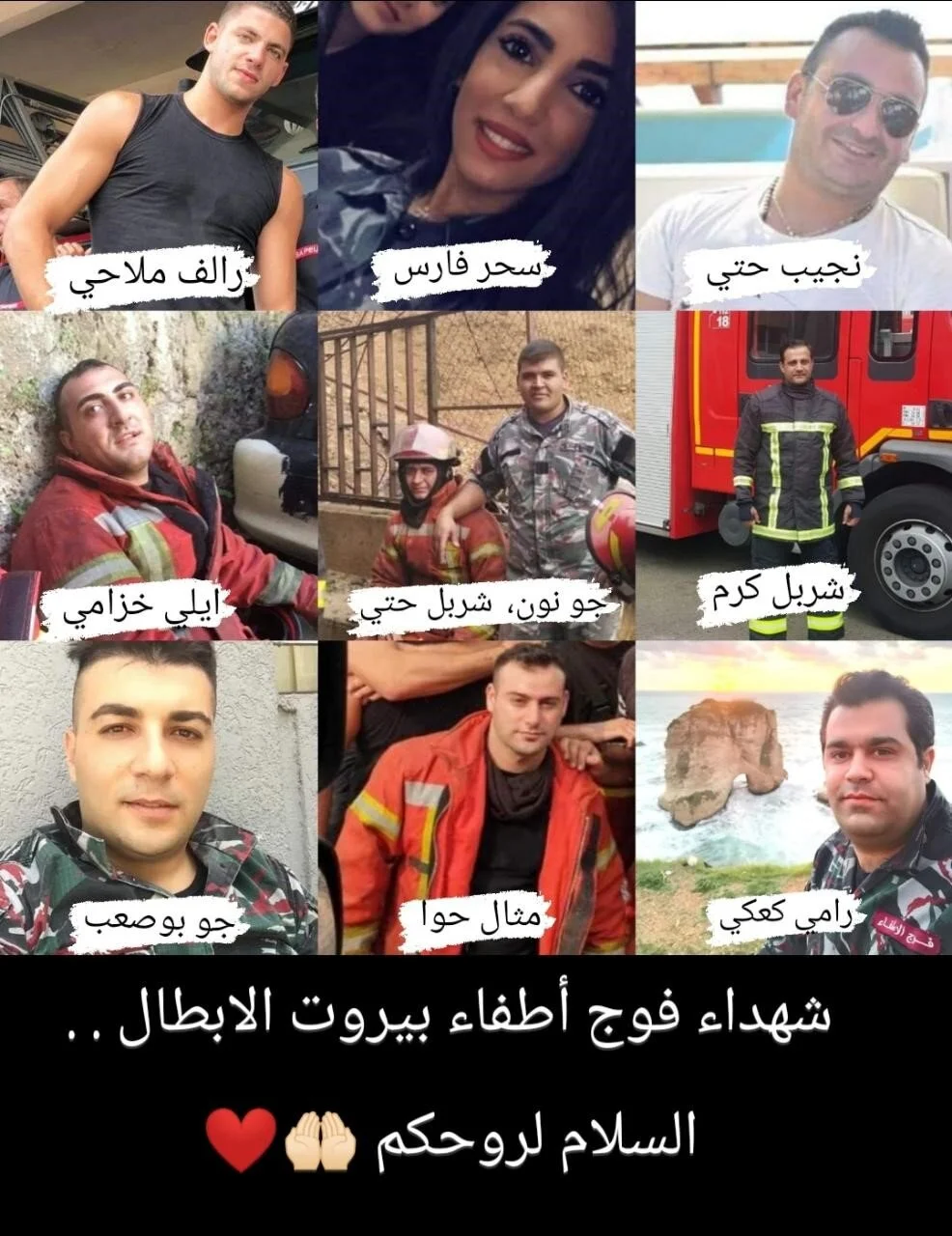
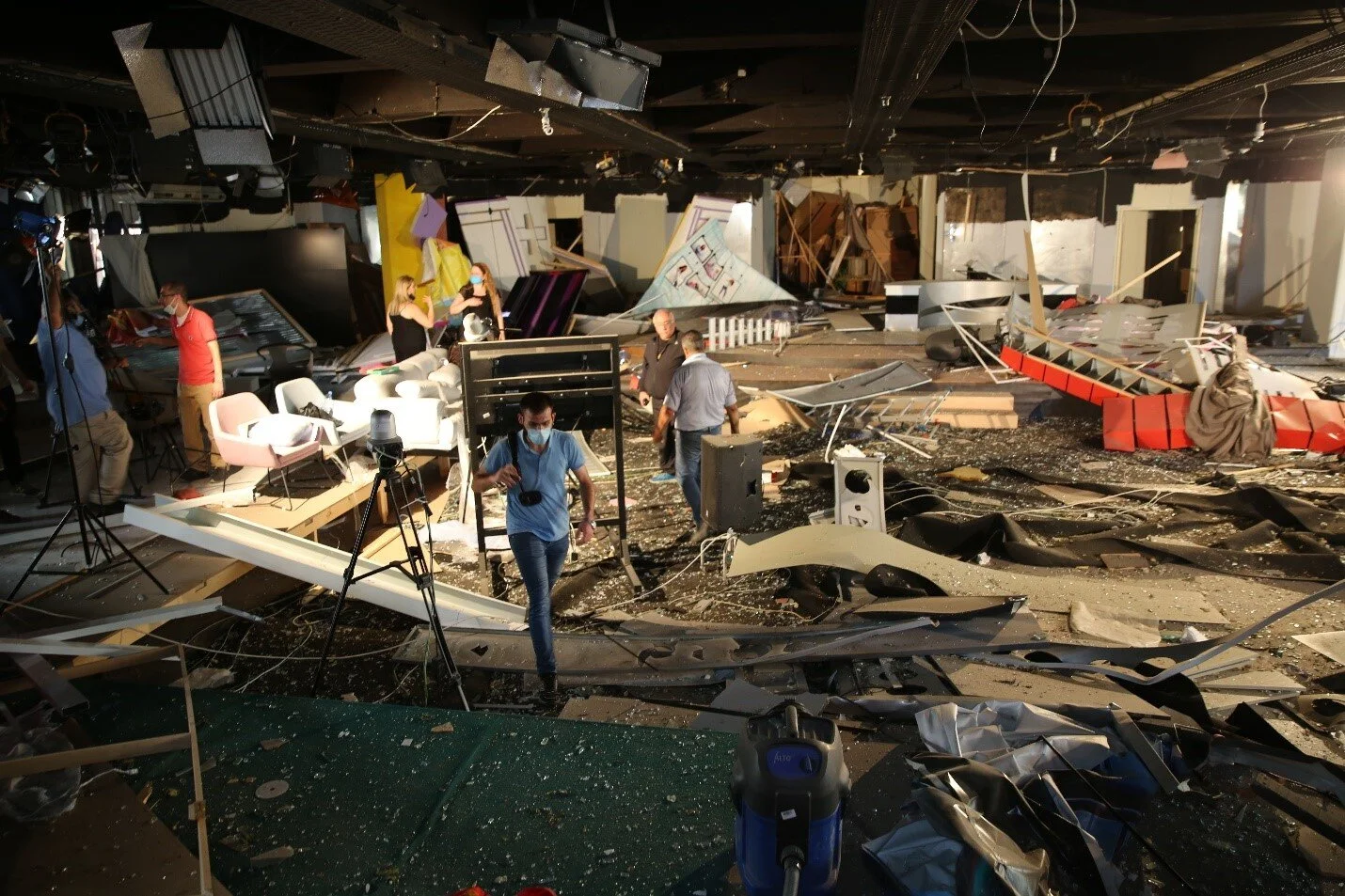
Hace tres meses, la policía pidió a diez trabajadores del servicio de emergencia que respondieran a un gran incendio en el puerto de Beirut a las 17:55 horas. Sin embargo, no se les informó de las grandes cantidades de nitrato de amonio almacenadas en el puerto, a pesar de que varios altos funcionarios libaneses sabían de su existencia. A las 18:07 horas, el almacén que almacenaba los productos químicos explotó, matando a los bomberos y al paramédico, con un total de 190 personas muertas en la ciudad.
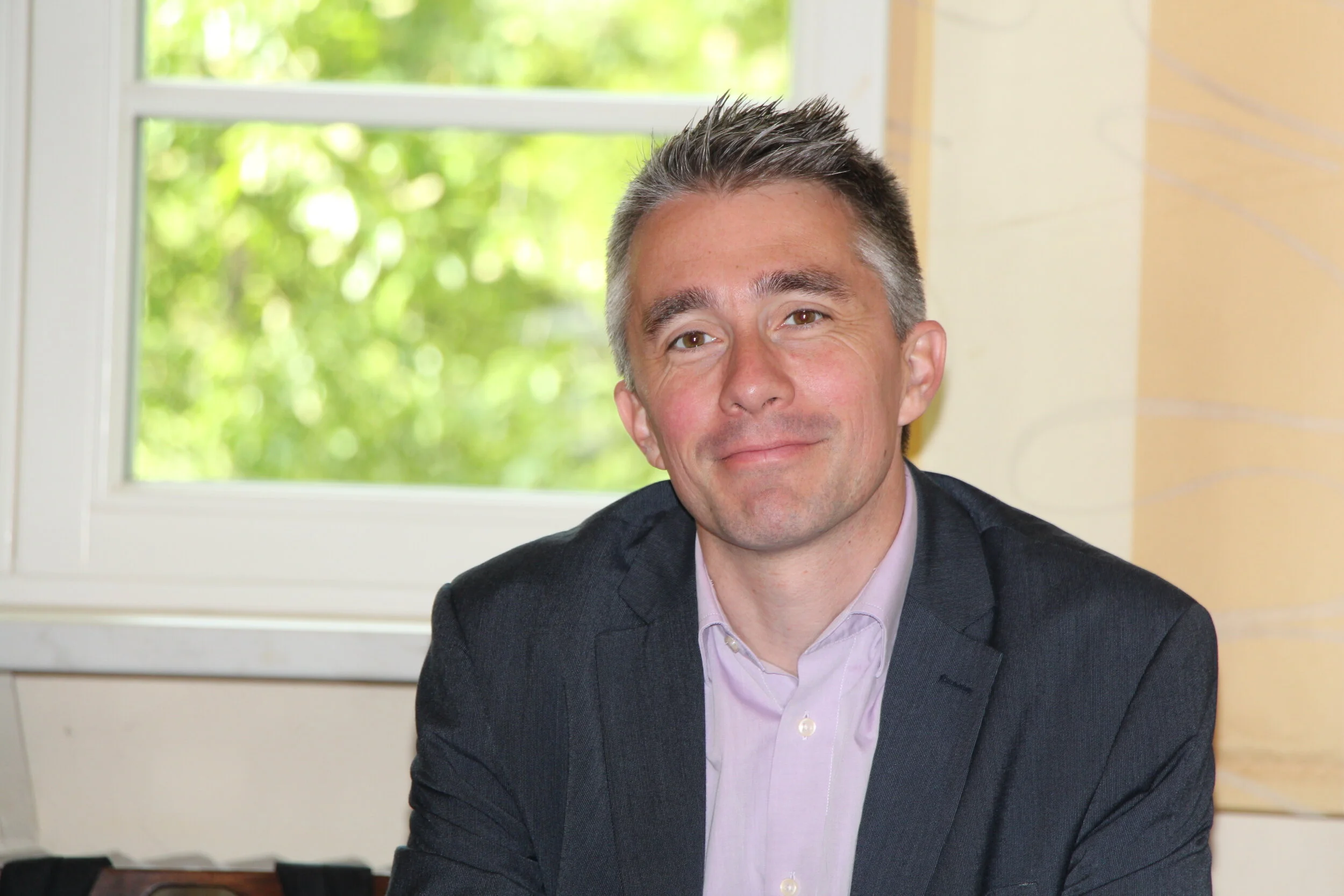
Consultor del Comité Ecuménico, el Rev. Wilbert Van Saane: Fuimos capaces de sentir el amor de Jesús a través de esta tragedia y las dificultades
Tras la explosión de Beirut, el Consejo de Iglesias del Oriente Medio solicitó un Comité Ecuménico para ayudar a la más amplia variedad de personas afectadas, y formó un equipo de responsables en el Consejo y de representantes de las iglesias miembros en Beirut. Para arrojar luz sobre esta labor de socorro sobre el terreno, el Departamento de Comunicación y Relaciones Públicas se reunió con el consultor del Comité, el Rev. Wilbert Van Saane, miembro de la Iglesia holandesa, representante de Kerk in Actie, y profesor de la Escuela Evangélica de Teología de Beirut.
Special episode about the Middle East Council of Churches on the Charity TV channel
The Charity TV channel dedicated an episode about the Middle East Council of Churches in the morning Show “Hawa Al-Mahba” program, where they shed the light on the Council’s message, its programs and aspirations in several areas. The program's presenter, Charbel Zougheib, started the episode with an interview with the Secretary General Dr. Michel Abs who discussed his vision and his future projects.
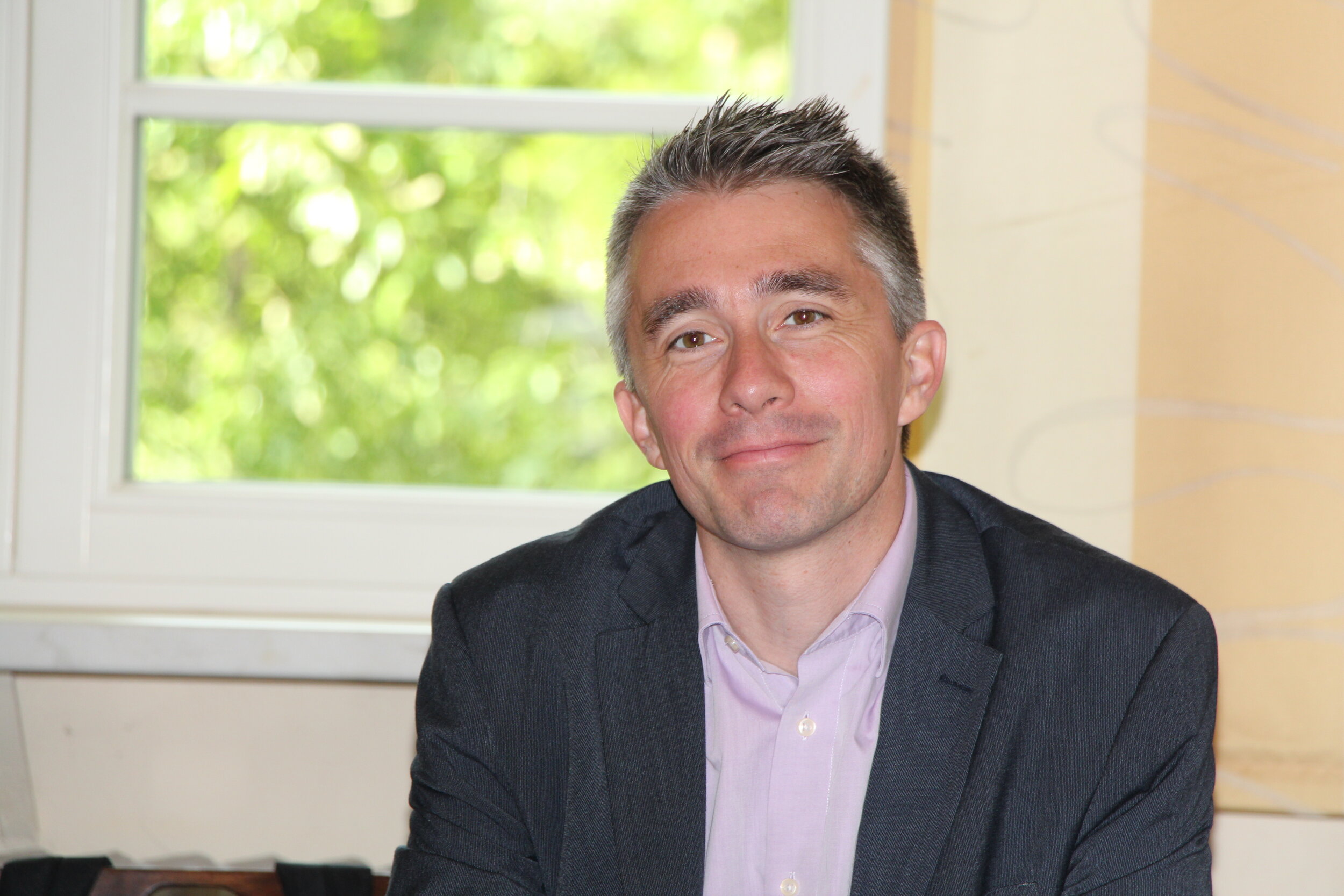
The Ecumenical Committee's consultant, Rev. Wilbert Van Saane: We were able to feel the love of Jesus through this tragedy and hardship
Following the Beirut Blast, the Middle East Council of Churches called for an Ecumenical Committee to help the widest range of affected people, it formed a team of responsables in the Council and of representatives of the Member Churches in Beirut. To shed the light on this field relief work, the Communication and Public Relations department met the Committee's consultant, Rev. Wilbert Van Saane, a member of the Dutch Church representing Kerk in Actie, and a professor at the Evangelical Theology School in Beirut.
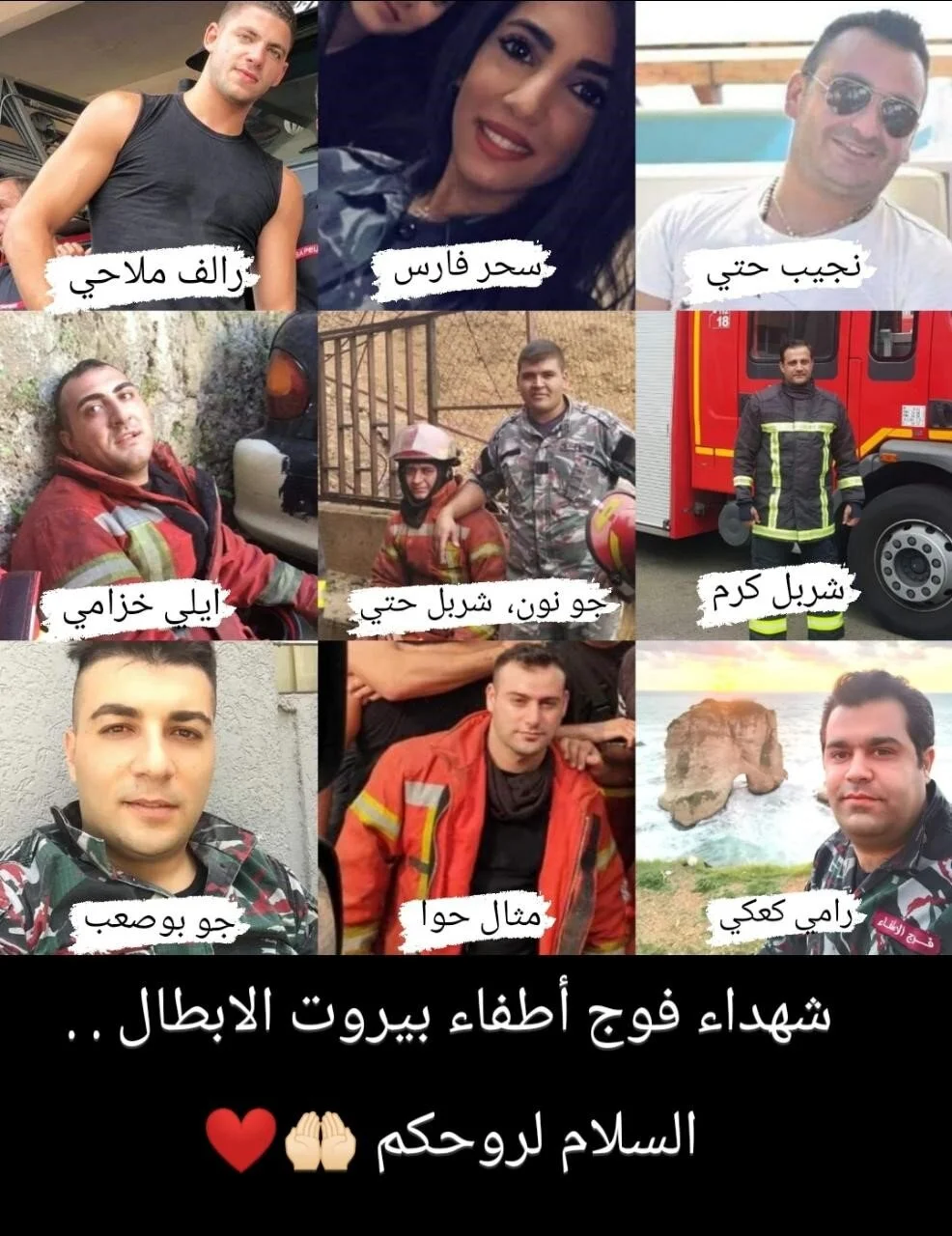
Three months following the Beirut tragedy, foreign parties are calling for a transparent international investigation
Three months ago, ten emergency workers were asked by the police to respond to a large fire at the Beirut Dock at 5.55pm. However, they were not informed of the large quantities of ammonium nitrate stored at the port, despite several senior Lebanese officials knowing of its existence. At 6.07 pm, the warehouse storing the chemicals exploded, killing the firefighters and the paramedic, with 190 people in the city killed in all.
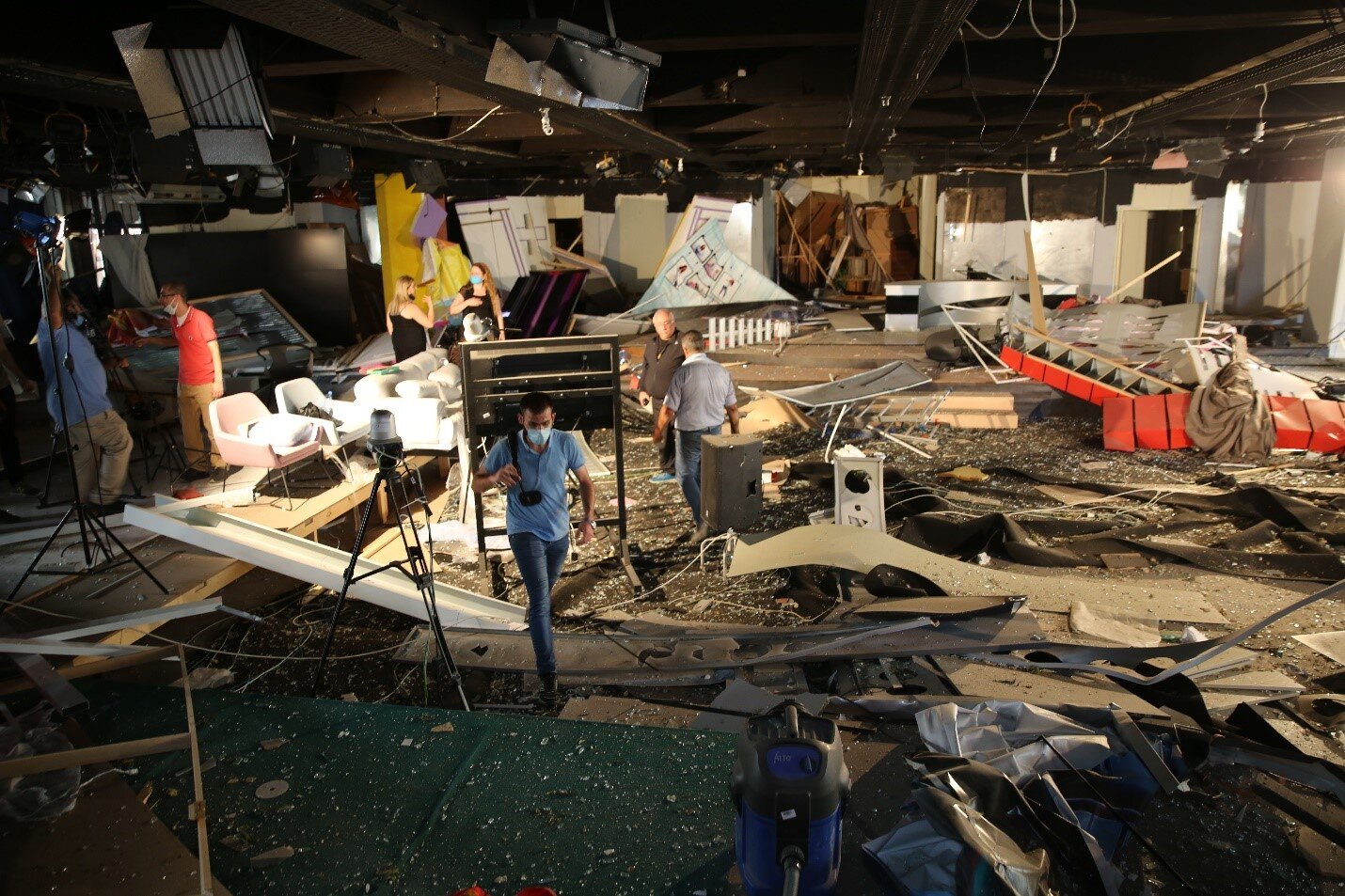
El Líbano, la difícil situación de los medios de comunicación católicos
El año 2020 ha sido un año difícil en todos los sentidos para el pequeño país mediterráneo del Líbano. Hogar de 18 comunidades religiosas y sectas diferentes, el Líbano ha sido considerado un modelo de coexistencia y pluralismo, y el país que se suponía que iba a celebrar su centenario, se enfrenta a su peor crisis económica y humanitaria, que amenaza su existencia y su identidad única. La culminación de las catástrofes fue la explosión del puerto de Beirut el 4 de agosto de 2020, en lo que se consideró como una de las explosiones no-nucleares más poderosas de la historia, que dejó más de 200 muertos, más de 6,500 heridos y más de 300,000 personas sin hogar.

Una nueva víctima de la explosión del 4 de agosto y los libaneses continúan curando sus heridas
Hasta hoy, el número de muertos por la explosión de Beirut sigue aumentando, ya que una nueva persona fue víctima de ella. Dima Abdel Samad Kaiss, quiene estuvo en coma durante 83 días por las graves heridas en su cabeza, finalmente se unió a Nuestro Señor en el cielo. Según varios informes, estaba presente en el balcón en el momento de la explosión. De tal forma, que estuvo en coma desde entonces. Su fallecimiento es un ejemplo de la corrupción que aún está extendida en el país. Varios líderes han prometido cambio y justicia rápida desde el día de la explosión, pero no hemos notado nada.
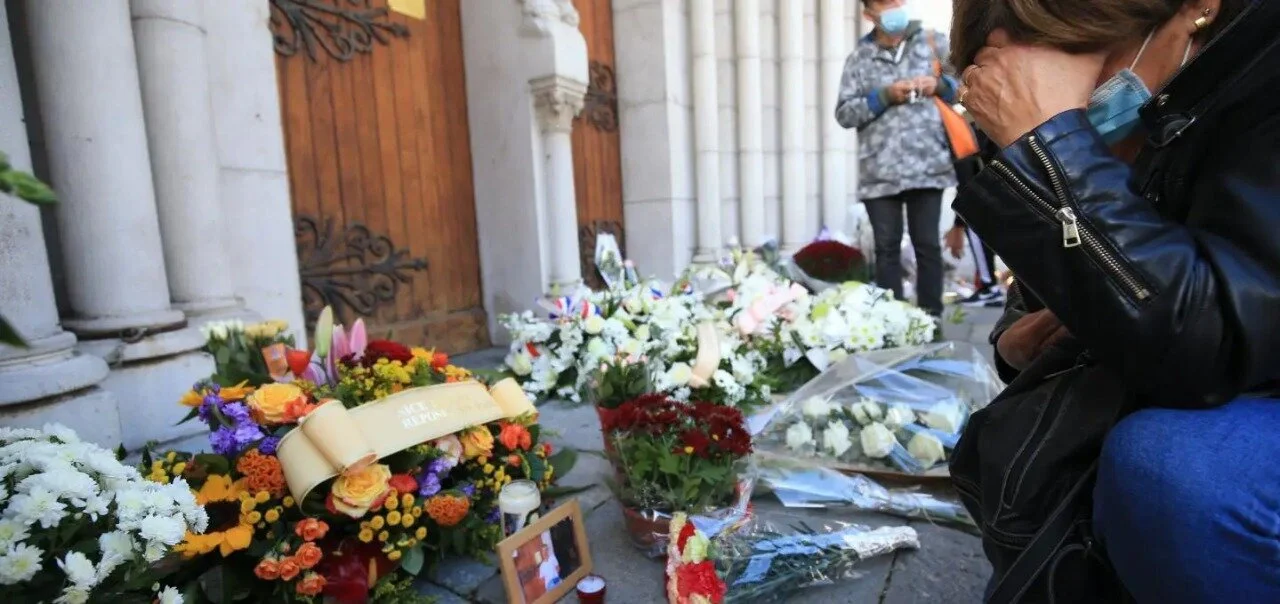
El Consejo de Iglesias del Oriente Medio: La violencia es un crimen contra Dios y la humanidad... Las religiones son un mensaje de amor y de paz
El Consejo de Iglesias del Oriente Medio (MECC) condenó el abominable crimen que tuvo lugar en Francia hace pocos días y reveló en su comunicado de prensa que: «la violencia es un crimen contra Dios y contra la humanidad, así que, ¿cómo sería si esto se escondiera detrás de una elección justa, en contra del mensaje de todas las religiones que tienen su base en el amor, en la paz, en la solidaridad y en la aceptación del derecho a la diversidad y a la interacción, y que al mismo tiempo considere la diversidad como un rico patrimonio cultural?».
MECC Coronavirus (COVID 19) Weekly Report
Syria and Lebanon
Humanitarian Update
Reporting period: from the 24th of October to the 2nd of November 2020
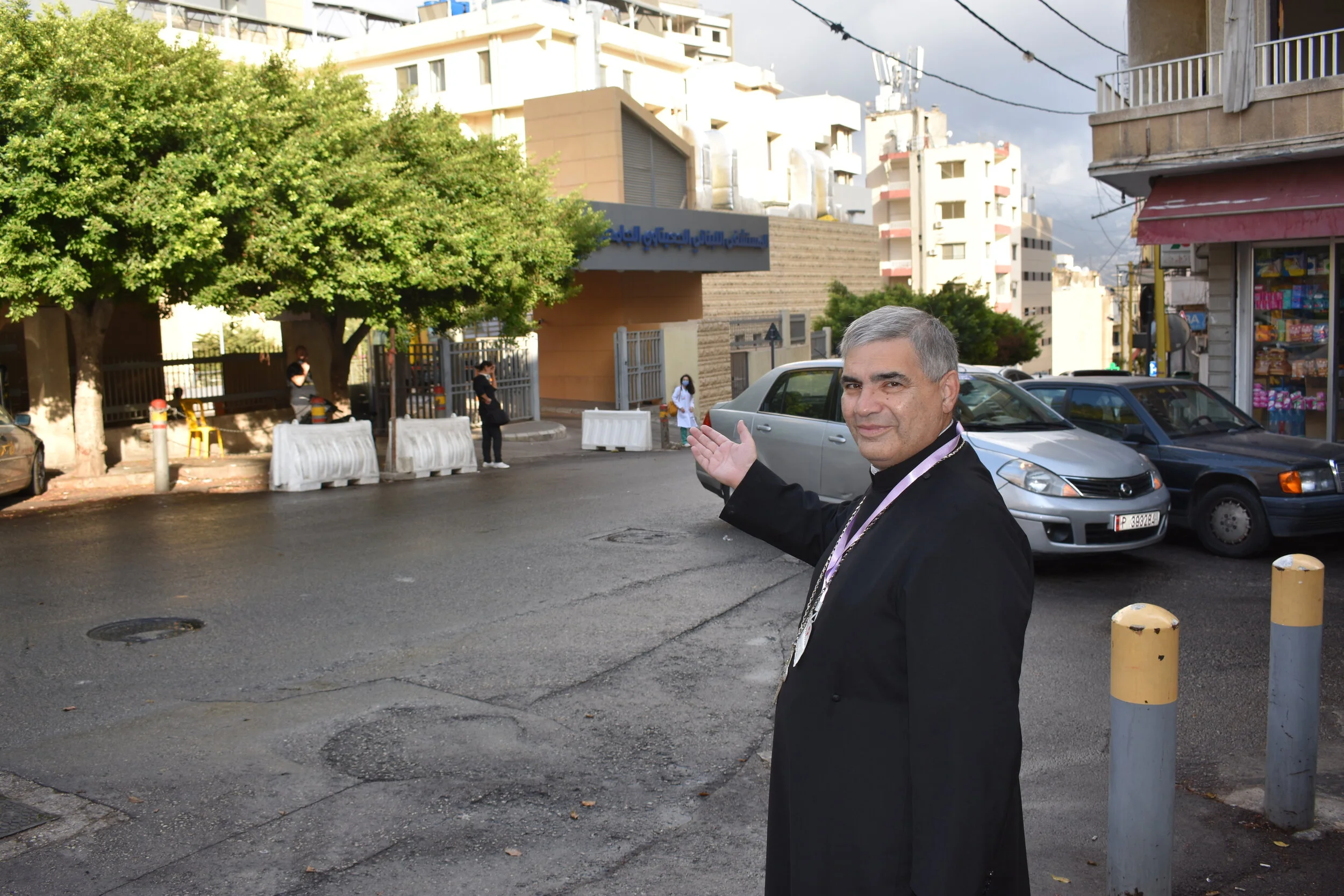
Su Excelencia el Arzobispo Georges Assadourian: El Patriarcado se comprometió a restaurar 200 casas en la afectada Beirut
En el momento en que la explosión tuvo lugar en el puerto de Beirut se dirigía al Patriarcado en Achrafieh-Jeitawi. En menos de segundos, en una abrir y cerrar de ojos, el arzobispo comenzó a transportar en su coche a los heridos al hospital. Su Excelencia el Arzobispo Georges Asadourian, Vicario Patriarcal de la Iglesia Católica Armenia narra las trágicas horas que siguieron a la explosión y lo que vino con ella de tragedia, miseria y dolor que desgarró a los ciudadanos de Beirut, al pueblo libanés y a todos los que aman al Líbano en todo el mundo.
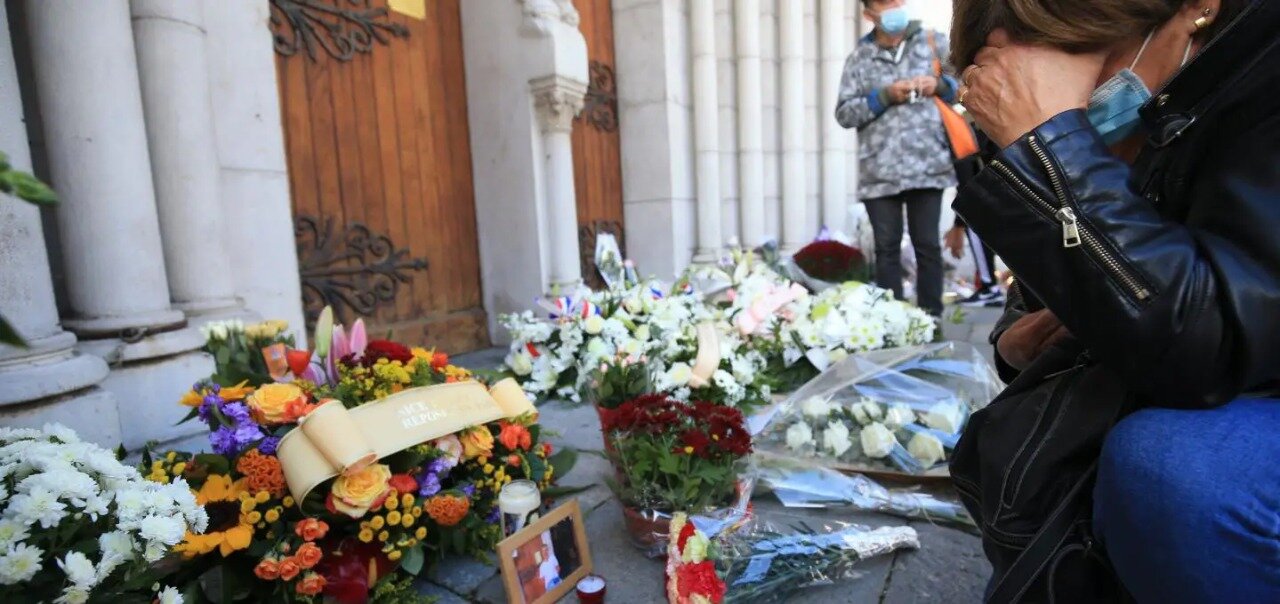
The Middle East Council of Churches: Violence is a crime against God and humanity … Religions are a message of love and peace
In a communiqué today, The Middle East Council of Churches (MECC) condemned the abominable crime that took place in France in the last few days, and declared that “violence is a crime against God and humanity, so how would it be if it is justified by religious faith, against the teachings of all religions that is love, peace, solidarity and the admittance of the right of diversity and interaction while considering diversity as a rich cultural heritage”.
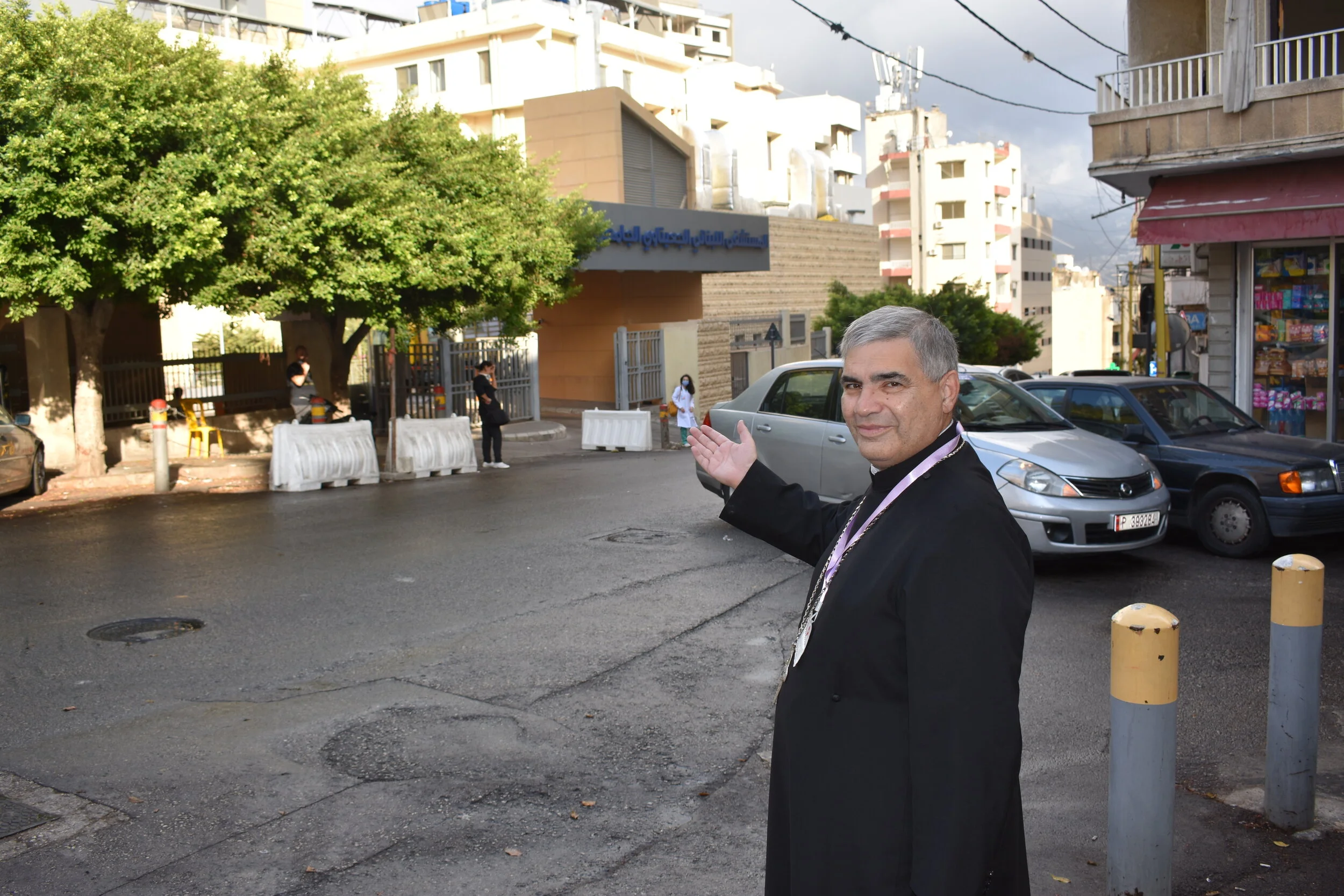
His Excellency Archbishop Georges Assadourian: The Patriarchate pledged to restore 200 houses in the stricken Beirut
The moment the explosion took place in the port of Beirut he was heading to the Patriarchate in Achrafieh – Jeitawi. In less than seconds, the Archbishop started transporting wounded people to the hospital with his car! His Excellency Archbishop Georges Asadourian, Patriarchal Vicar of the Armenian Catholic Church narrates the tragic hours that followed the blast and what came with it of tragedy, misery and sorrow that tore Beirut citizens, the Lebanese people and everyone who loves Lebanon across the world.

A new victim of the 4 August blast and the Lebanese are still nursing their wounds
Till today, the Beirut blast’s death toll continues to increase, as a new person fell victim to it. Dima Abdel Samad Kaiss, who went into an 83-day coma from severe head injuries, finally joined our lord in heaven. According to various reports, she was present on the balcony at the moment of the blast. As such, she had been in a coma ever since. Her passing away is an example of unaccounted-for corruption that’s still rampant in the country.
Lebanon, the plight of Catholic Media
The year 2020 has been a challenging year in all aspects in the small Mediterranean country of Lebanon. Home to 18 different religious communities and sects, Lebanon has been considered a model of coexistence and pluralism, and the country which was supposed to be celebrating its 100 years’ centennial, is facing its worse economic and humanitarian crisis threatening its existence and unique identity.
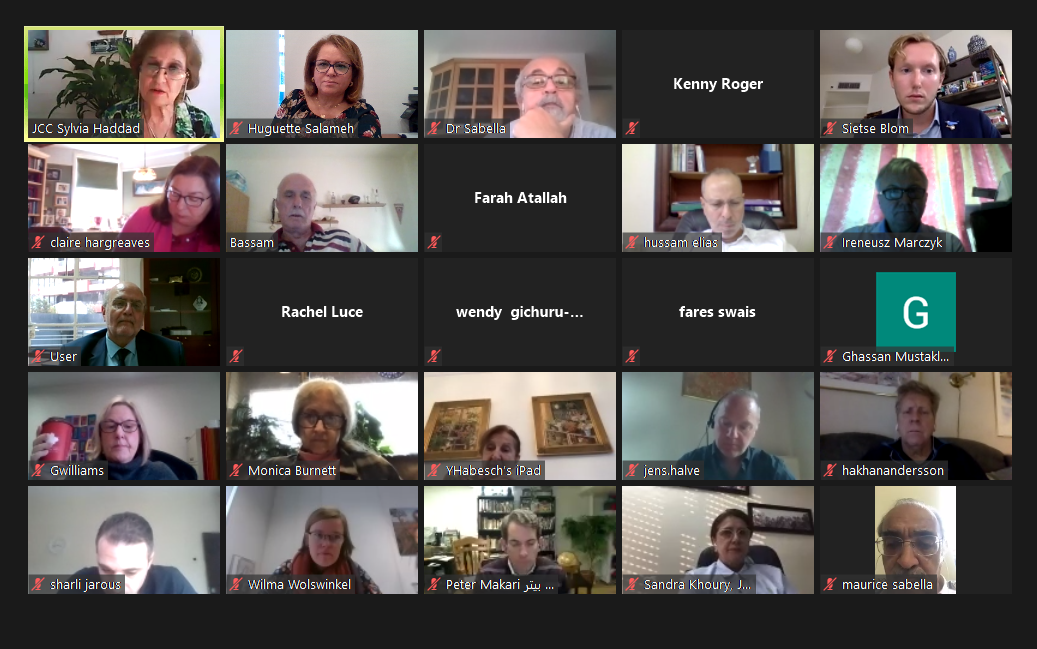
El Dr. Michel Abs, Secretario General de la MECC, en una primera reunión con el equipo de DSPR
El Dr. Michel Abs, Secretario General del MECC, participó en una reunión de presentación virtual para conocerse, organizada por el departamento del Consejo para el Servicio de los Refugiados Palestinos (DSPR: Department for the Service of Palestinian Refugees), durante la cual expuso su plan de trabajo para los próximos cuatro años, en medio de los desafíos que el Consejo enfrenta hoy en día.
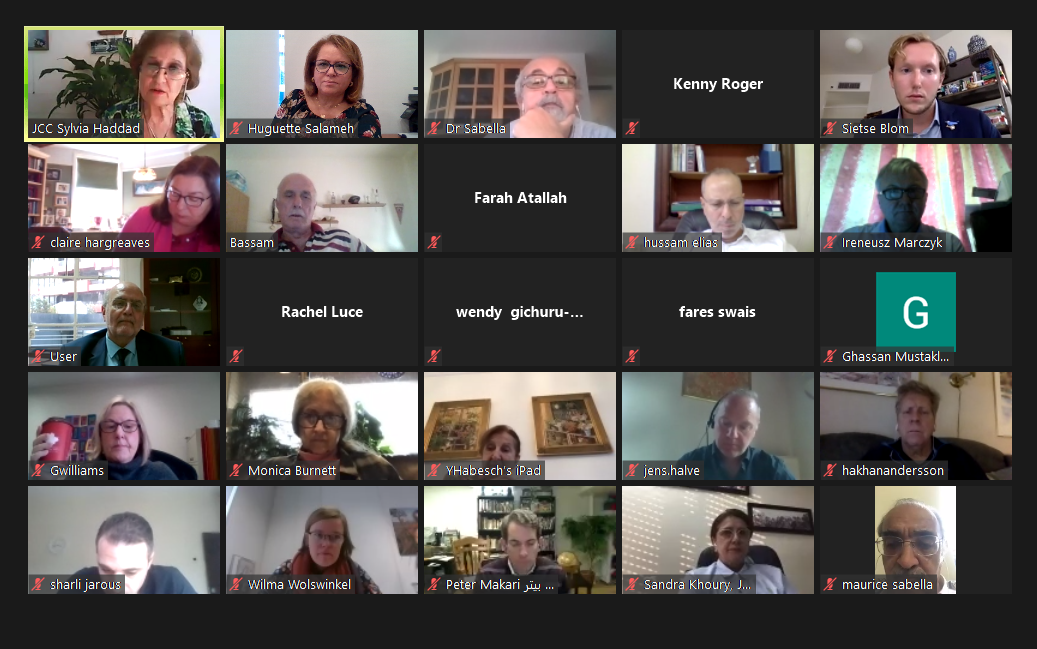
Dr. Michel Abs, the MECC Secretary General, in a first acquaintance meeting with the DSPR team
Dr. Michel Abs, the MECC Secretary General, in a first acquaintance meeting with the DSPR team

MECC Coronavirus (COVID 19) Weekly Report
Syria and Lebanon
Humanitarian Update
Reporting period: from 19 to 27 October 2020
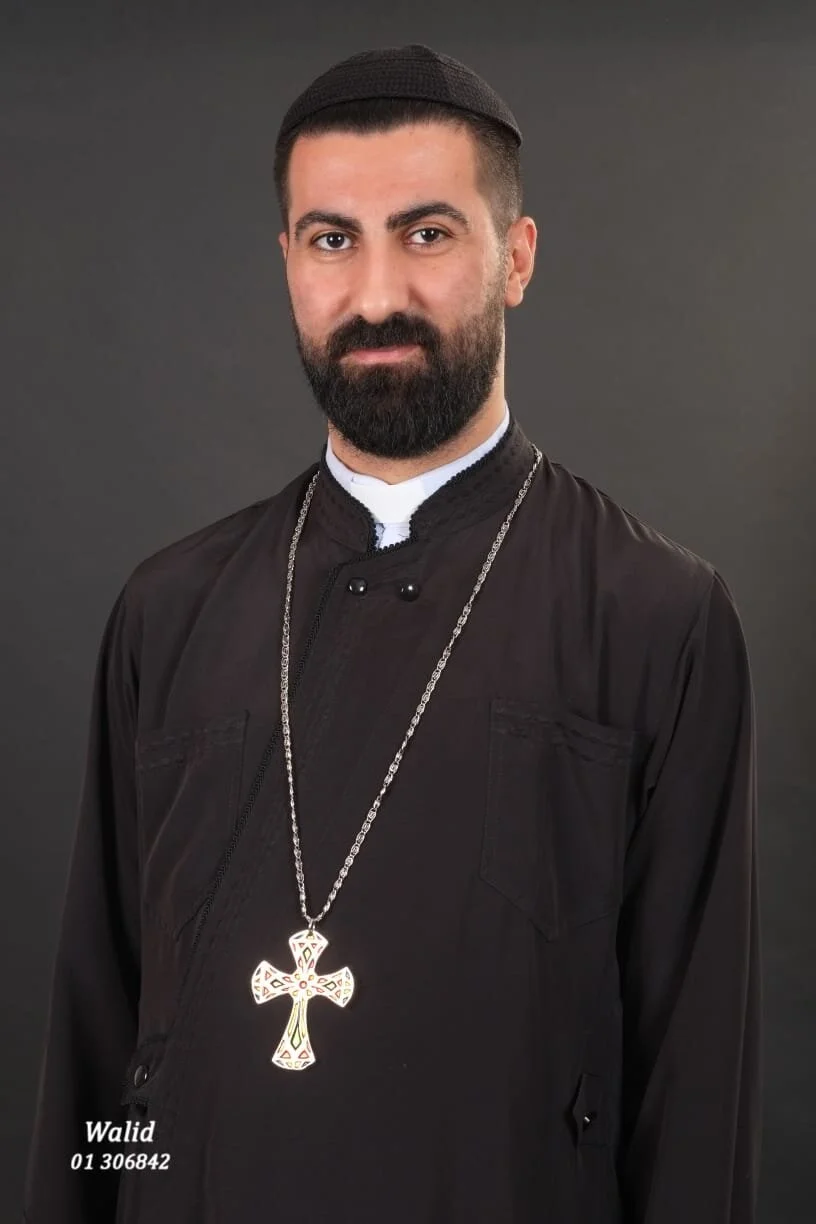
P. Chárbel Bahi, en representación de la Iglesia Ortodoxa Siria en la Beirut herida:
Necesitamos con urgencia estar unidos como cristianos mientras trabajamos juntos y mostramos el cristianismo a través de nuestras obras
A raíz de la explosión de Beirut, las familias de las iglesias y sus instituciones afiliadas se apresuraron a ayudar a los afectados, a calmar su dolor y curar sus heridas, que ahora son eternas. En cooperación con organizaciones humanitarias locales e internacionales, como el Consejo de Iglesias del Medio Oriente-Departamento de Diaconía, las diócesis y arquidiócesis de Beirut continúan sus esfuerzos para apoyar a aquellos que han sido afectados psicológica, moral y financieramente; especialmente porque se ahogan en un ciclo interminable de crisis asfixiantes y no podrán salir fácilmente de él.
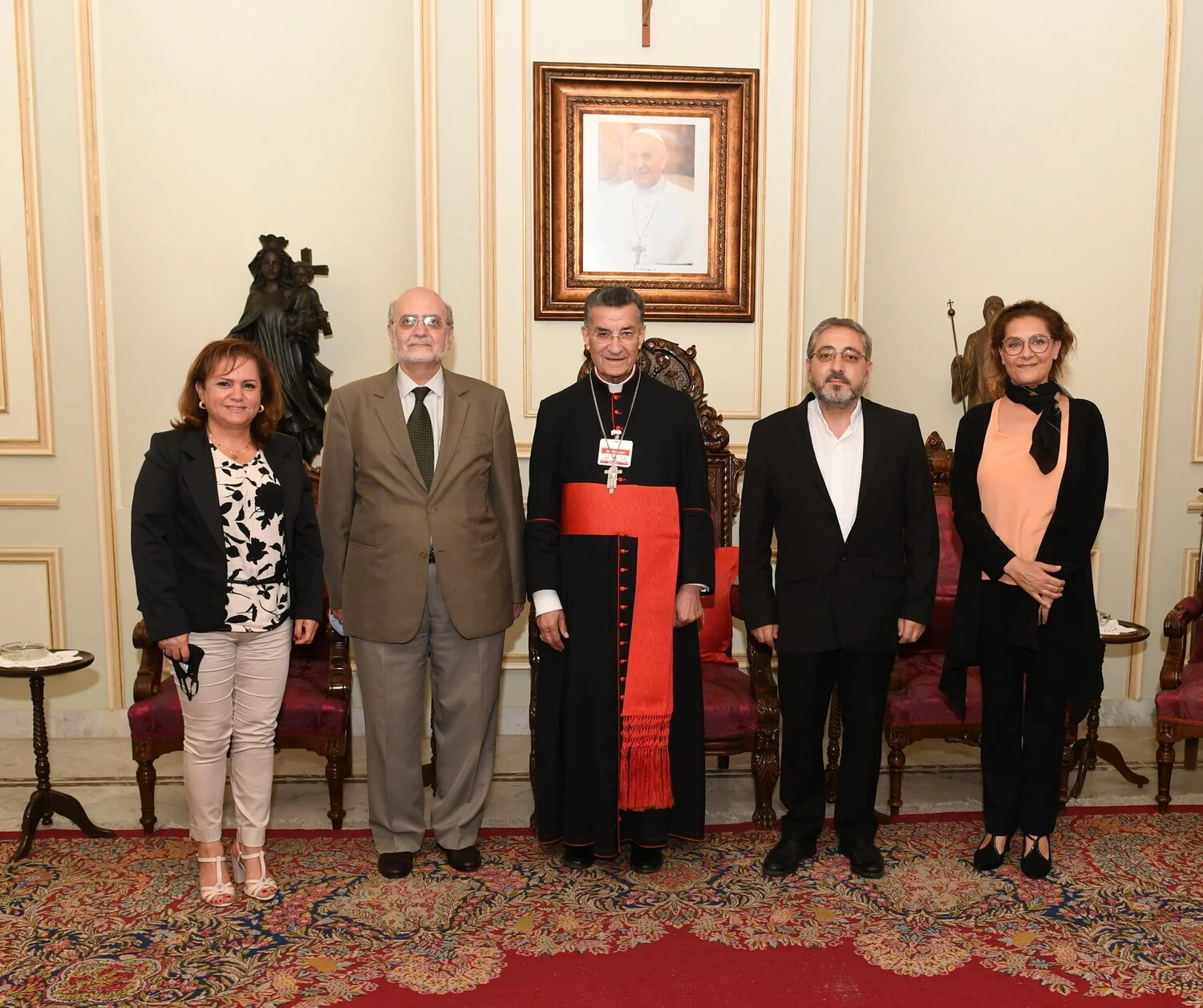
Dr. Michel Abs, Secretario General del MECC, en Bkerke: Lo que discutimos con Su Beatitud el Patriarca Rai será una parte esencial de nuestro trabajo hacia la Asamblea General del Consejo
Dr. Michel Abs, el secretario general del MECC inició sus visitas oficiales a los presidentes del Consejo para agradecerles su confianza en elegirlo como secretario general por cuatro años. Su primera visita fue a Su Beatitud Bechara Pedro card. Rai en la sede del Patriarcado en Bkerke. Estuvo acompañado por el P. Gabriel Hachem, el Secretario General Adjunto y director del Departamento Teológico y Ecuménico, la Sra. Huguette Salameh, directora del Departamento de Comunicación y Relaciones Públicas, y la Sra. Nina Hallak, coordinadora del Departamento de Diaconía en Beirut.
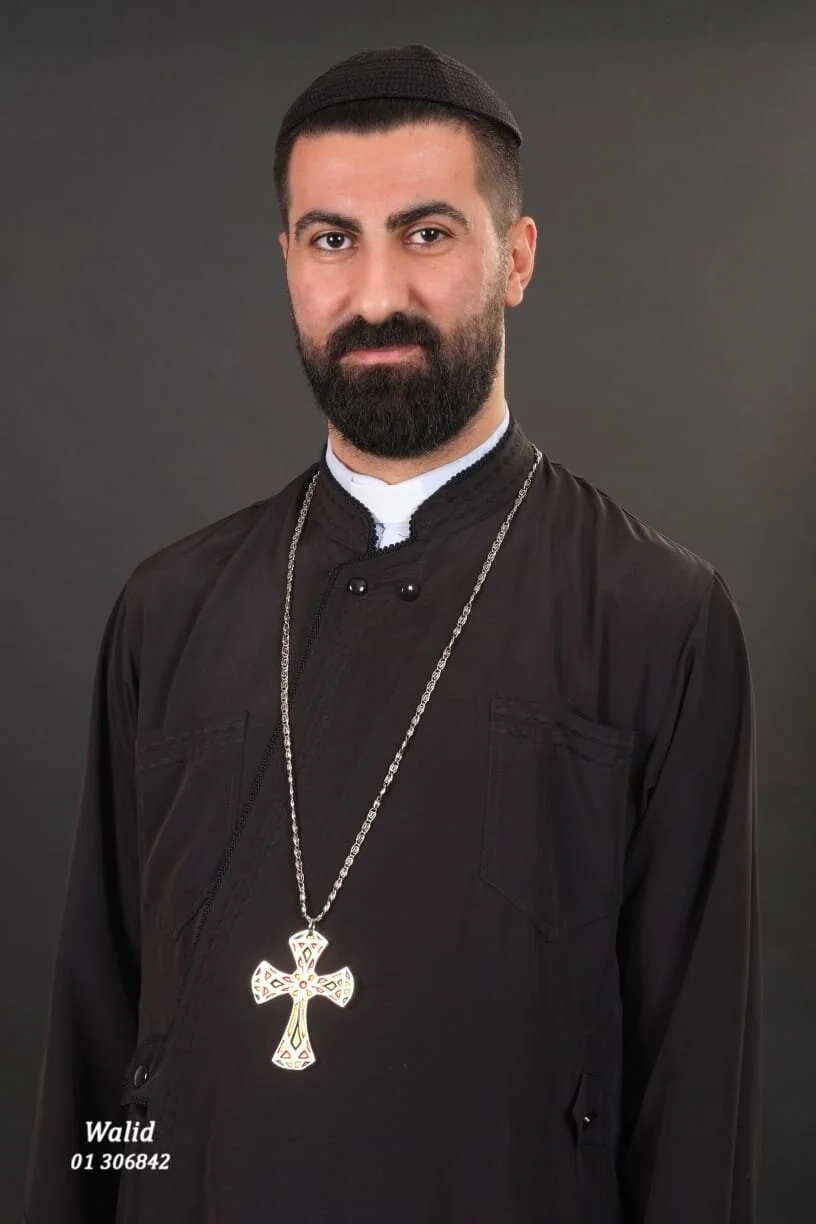
Fr. Charbel Bahi, representing the Syriac Orthodox Church in the wounded Beirut: We urgently need to be united as Christians while working together and showing Christianity through our deeds
In the wake of the Beirut Blast, the churches families and their affiliated institutions rushed to save their affected, to calm their pain and heal their wounds, which are now eternal. In cooperation with local and international humanitarian organizations, such as the Middle East Council of Churches – Diakonia Department, Beirut's dioceses and archdioceses continue their efforts to support those who have been affected psychologically, morally and financially; especially as they drown in an endless cycle of suffocating crises and will not be able to get out of it easily.