

MECC
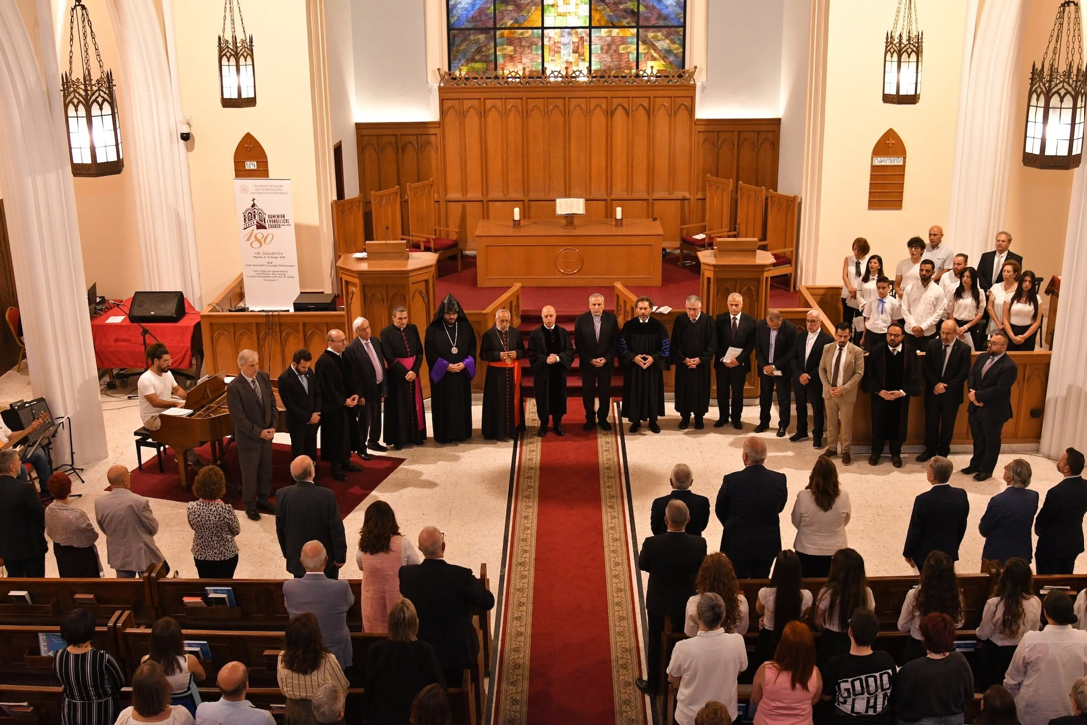
The UAECNE Celebrates the 180th Anniversary of the Armenian Evangelical Church’s Founding
MECC Participates in the Celebration
On the occasion of the 180th Anniversary of the founding of the Armenian Evangelical Church, the Union of the Armenian Evangelical Churches in the Near East (UAECNE) held a celebratory Worship Service under the theme “Freedom of Conscience and the Responsible Faith” (Galatians 5.1), on Sunday, June 21, 2026, at the First Armenian Evangelical Church in Beirut.
Attendees were His Beatitude Patriarch Raphaël Bedros XXI Minassian, Catholicos Patriarch of the Armenian Catholic Church of Cilicia, and President of the Middle East Council of Churches (MECC) for the Catholic Family; the Representative of His Holiness Catholicos Aram I, Catholicos of the Armenian Church, Holy See of Cilicia, and Honorary President of the Middle East Council of Churches; the Representative of His Eminence Archbishop Hosam Naoum, Anglican Archbishop in Jerusalem and Presiding Bishop of the Episcopal Church in Jerusalem and the Middle East, and Member of the Executive Committee of the Middle East Council of Churches; and the Secretary General of the Middle East Council of Churches Professor Michel Abs.
The celebration brought also together Representatives of various Church Families, as well as official, Religious, cultural, intellectual, and social figures.
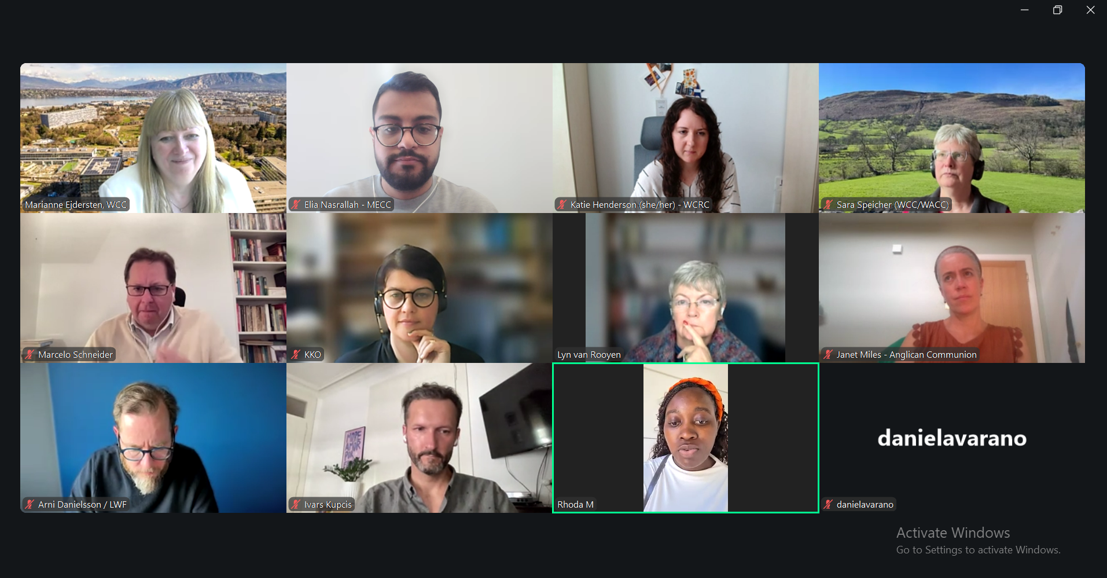
Global Ecumenical and Media Online Meeting at the Invitation of WCC and with the Participation of MECC
Together Towards Strengthening the Ecumenical Spirit and the Media Mission!
At the invitation of the Communication Department of the World Council of Churches (WCC), an online Ecumenical meeting was held on Monday, June 22, bringing together communication and media colleagues from various global Ecumenical organizations, with the participation of the Communication and Public Relations Department of the Middle East Council of Churches (MECC).
Discussions centered around the most prominent current Ecumenical and media-related issues and topics. Participants provided updates on their work and activities, each according to their respective programs. They also shared their concerns and aspirations regarding both the Ecumenical and media spheres in the coming period.
The gathering served as a platform for exchanging expertise and perspectives, as well as strengthening cooperation among Ecumenical Church and humanitarian organizations, with the aim of developing a shared media mission.
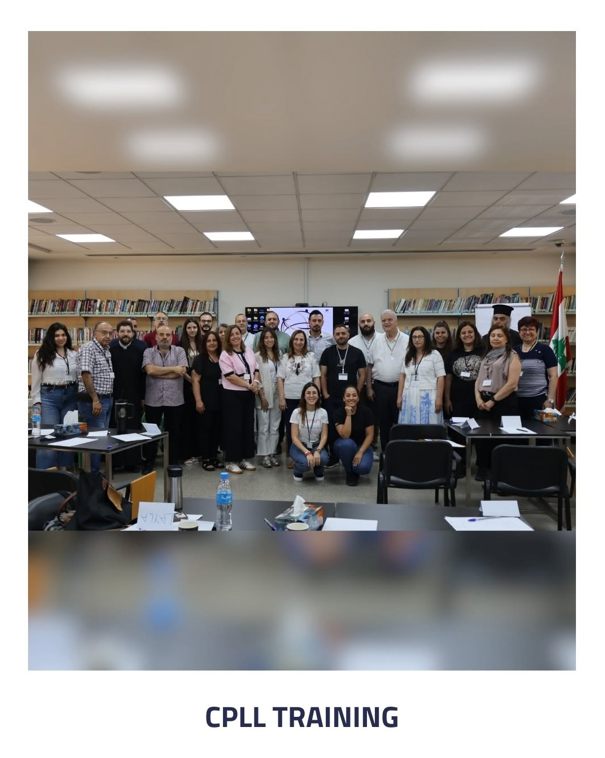
MECC Participates in a Training Workshop on Time Management and the Four Management Personalities Organized by the Bible Society in Lebanon
As part of its efforts to develop capacities and enhance skills, colleagues from the Middle East Council of Churches (MECC) participated in a training workshop entitled “Time Management and the Four Management Personalities”, led by the trainer Mr. Samir Costantine, Director and Founder of “Wazanat”. The workshop was organized by the Christian Publisher League (CPLL) at the Bible Society in Lebanon, on Friday, June 19, 2026, at the Society’s headquarters in Beirut.
This workshop was the eighth session in the training series “Effective Christian Publishing and Its Methods,” which brings together representatives from various organizations and publishing houses with the aim of enhancing professional competence and developing the skills of those working in the field of Christian publishing.
The Middle East Council of Churches (MECC) Issues Its Weekly Newsletter
“Momentum”
19-6-2026
This issue includes reports, videos, news, articles, and a full coverage of the latest developments of the Middle East Council of Churches (MECC), as well as the Church, Ecumenical, and social events…
This is in addition to the weekly word of the MECC Secretary General Professor Michel Abs which is entitled in this issue “Sayfo, Justice, and Memory, From the Perspective of the Middle East Council of Churches”.
You can check the issue via the following link: https://mailchi.mp/06af911a306d/momentum-mecc-weekly-newsletter.
You can also subscribe to the Momentum Newsletter via the following link:
https://mecc.us14.list-manage.com/subscribe?id=fd3381352a&u=1db32cafe9ea32b38eb90480a.
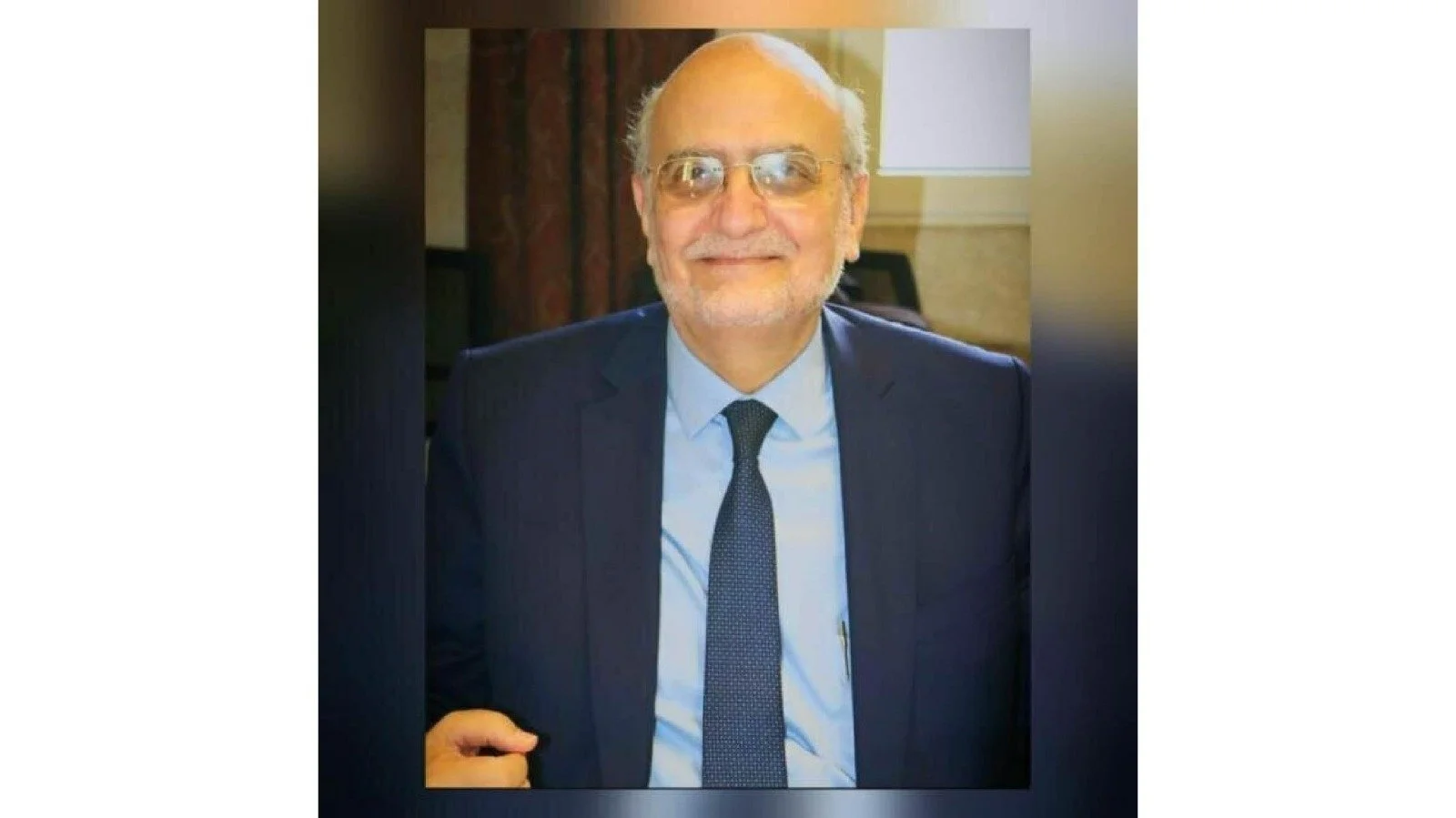
Sayfo, Justice, and Memory
From the Perspective of the Middle East Council of Churches
Professor Michel Abs
The Secretary General of the Middle East Council of Churches (MECC)
The Middle East Council of Churches views the Sayfo massacres as a profound wound in the memory of the churches of the East. It is not a tragedy that concerns only one community, but one that touches the Christian and human conscience of this region. Syriacs, Assyrians, and Chaldeans have carried in their collective memory the pain of the sword, displacement, and uprooting. Yet this suffering transcends ecclesial and ethnic boundaries, for it strikes at the very heart of human dignity.
For this reason, we do not regard Sayfo as a closed chapter of history, but as a living memory that invites us to reflect on the meaning of the Christian presence in the East, on the meaning of justice, and on the responsibility of the churches toward truth. Preserving this memory does not mean remaining prisoners of the past; rather, it means protecting humanity from the repetition of such tragedies and transforming suffering into witness, and witness into a moral and ecclesial commitment.
Memory, if it remains only a source of pain, can become silent sorrow or a closed wound. Yet when it becomes a testimony, it turns into a spiritual and moral force that safeguards truth and resists oblivion. Therefore, it is the duty of the churches to transmit the memory of Sayfo to younger generations, not as a call to fear or isolation, but as an invitation to steadfastness, hope, and responsibility.
The Christian presence in the East is preserved not only through buildings and institutions, but also through memory, language, witness, and the ability to transform suffering into a commitment to life. Sayfo reminds us that the Church that suffered endured, and that the communities subjected to massacre and displacement continue to bear witness to their faith, culture, and mission in this region…
On the Occasions of the 25th Jubilee of the Canonization of Saint Rafqa, and the Beatification of Patriarch Elias Howayek
A Spiritual Retreat for the MECC General Secretariat Team
From Jrebta to Kfifan and Aabrin
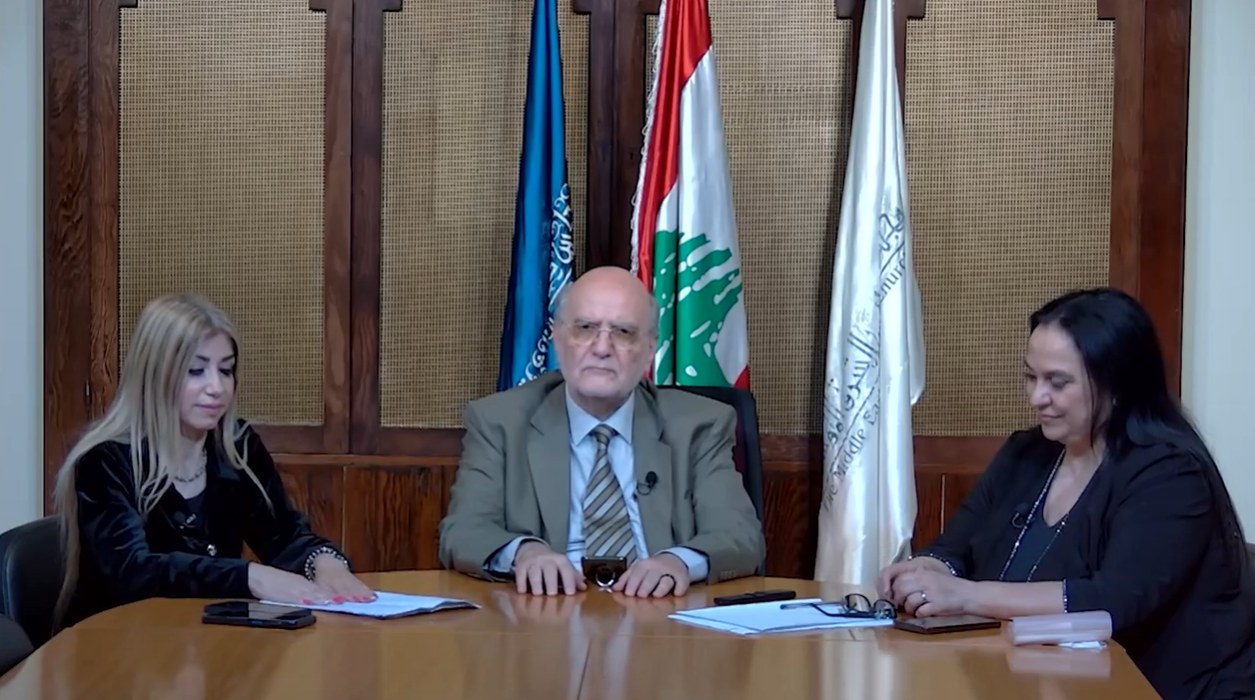
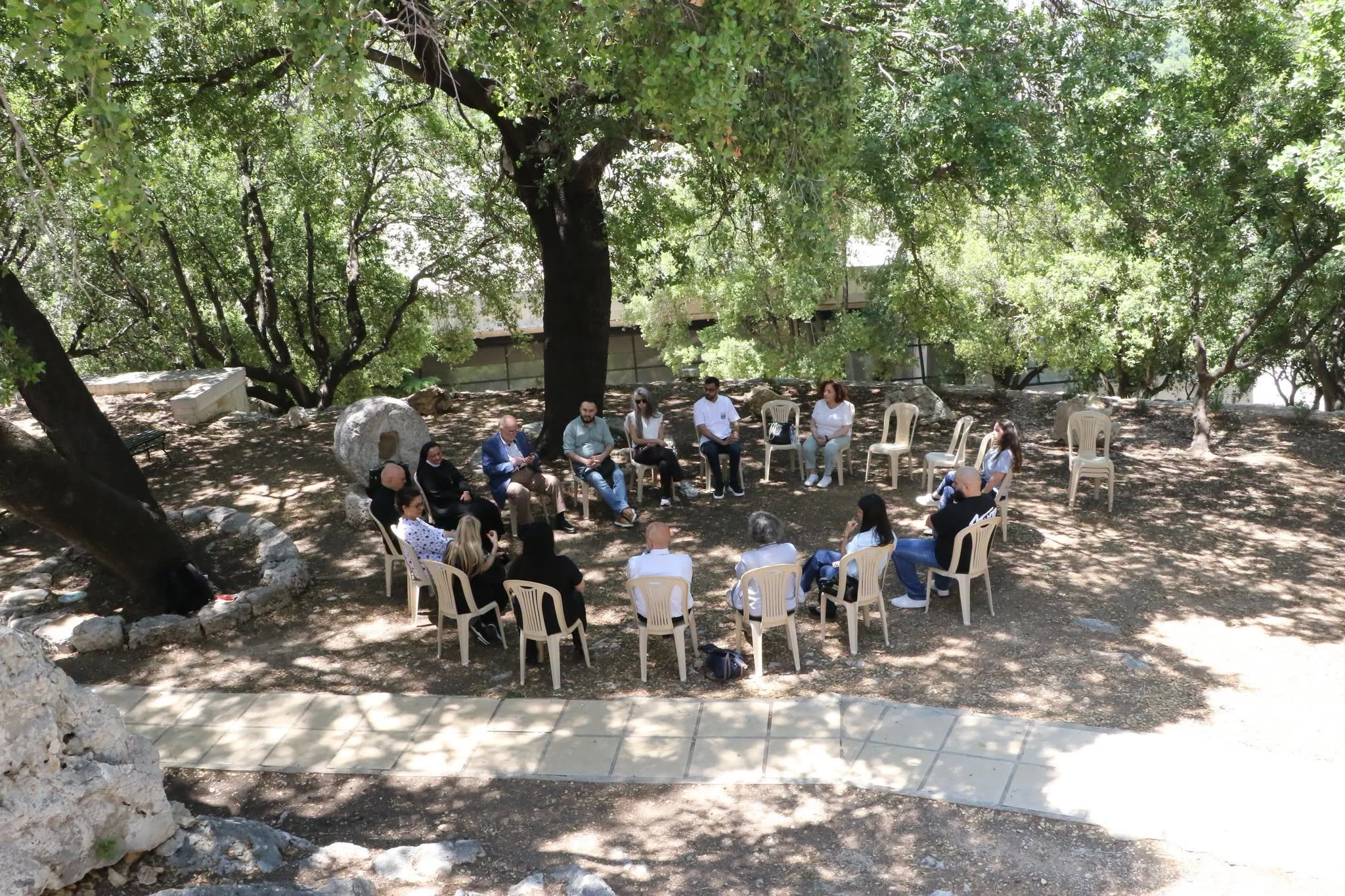
The family of the General Secretariat of the Middle East Council of Churches (MECC) experienced a spiritual and cultural day in the Lebanese villages of Jrebta, Kfifan and Aabrin. The day was marked by a Spiritual Retreat organized by the MECC Theological and Ecumenical Department for the General Secretariat team, on Wednesday, June 17, 2026, on the occasions of the 25th Jubilee of the Canonization of Saint Rafqa, and the Beatification of Patriarch Elias Howayek.
The Retreat began at Saint Joseph Monastery in Jrebta, at the Tomb of Saint Rafqa, where Sister Marta Bassil welcomed the participants and guided them on a tour of the Monastery, presenting an overview of its history, as well as its spiritual and Ecclesial mission.
Then, a spiritual reflection and discussion with Mother Dolly Chaaya, Superior General of the Lebanese Maronite Order of Nuns, was made under the title “A Path of Holiness in a Wounded East.” In her presentation, she reflected on the meanings of witness, hope, and holiness amidst the challenges that the East is facing today. Her talk was followed by a discussion and exchange of ideas with the participants.
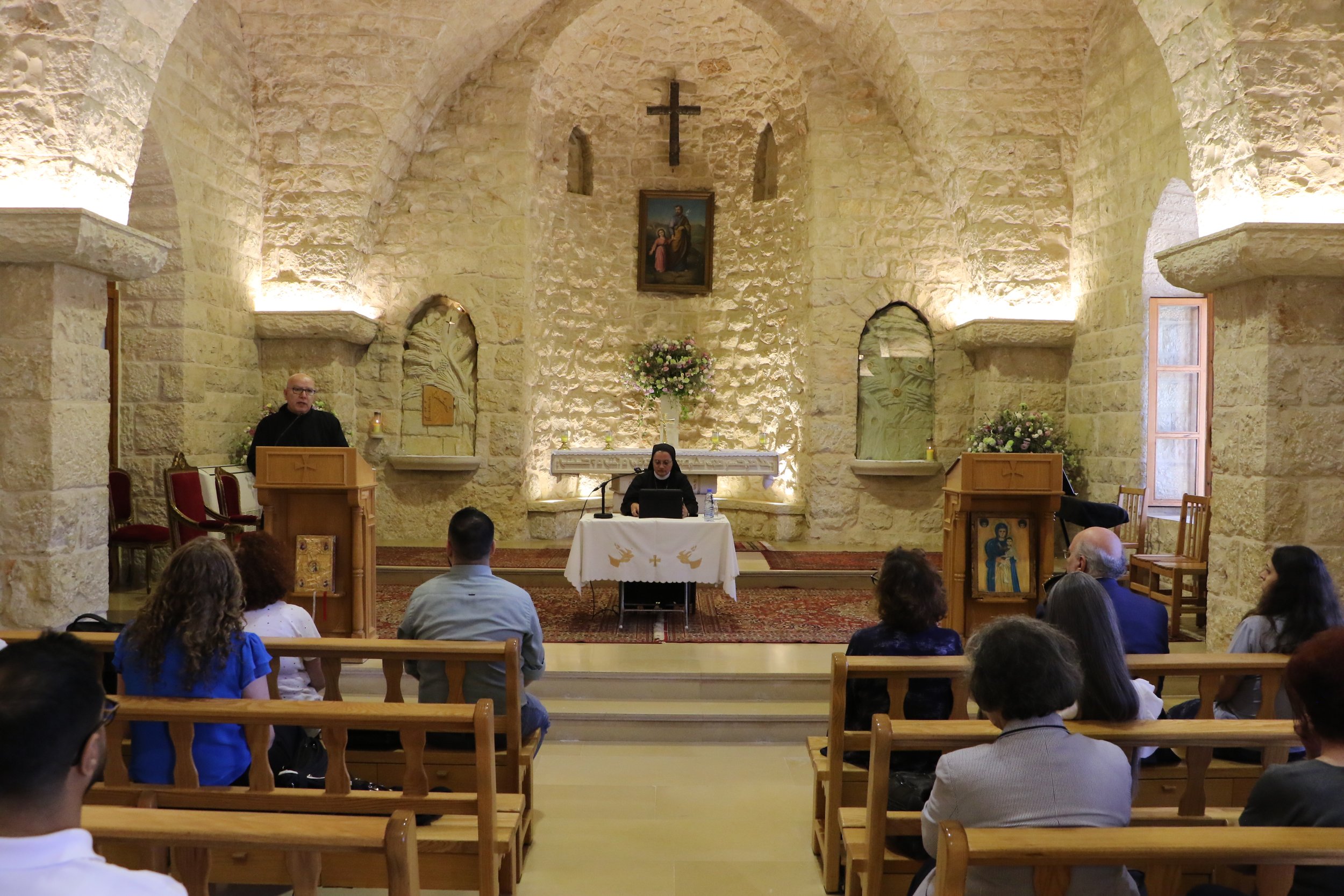
The Path of Holiness in a Wounded East
Mother Dolly Chaaya, Superior General of the Lebanese Maronite Order of Nuns, During a Spiritual Retreat for the MECC General Secretariat Team:
A Wound Transformed into Hope and Resurrection
During a spiritual and intellectual gathering with the General Secretariat team of the Middle East Council of Churches (MECC) on Wednesday, June 17, 2026, at Saint Joseph Monastery in Jrebta, Tomb of Saint Rafqa, Mother Dolly Chaya, Superior General of the Lebanese Maronite Order of Nuns, delivered a reflection entitled “The Path of Holiness in a Wounded East.”
Drawing from the life of Saint Rafqa and the wounds of the contemporary Middle East, Mother Dolly explored the meaning of holiness in everyday life. She emphasized that holiness is neither a distant ideal nor an image preserved in memory, but rather a daily path lived in the heart of suffering, in the face of fear, and in the continual search for hope.
Her reflection came at a time when many people in the region feel deprived of security and burdened by fear, migration, displacement, and wounded belonging. Yet Mother Dolly urged not to view this reality solely through the lens of defeat, but through the lens of faith, which sees that a wound, when touched by the Mystery of the Risen Christ, no longer remains a sign of death but can become a testimony of love and hope.
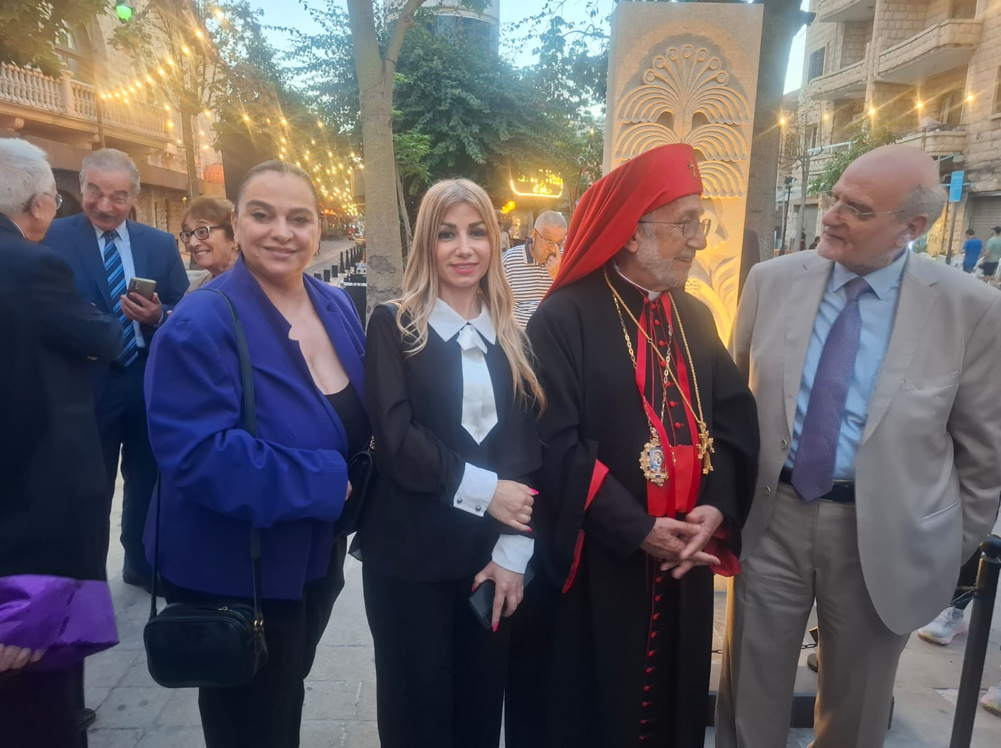
His Beatitude Patriarch Raphaël Bedros XXI Minassian Presides Over an Evening Celebration for the Feast of Saint Ignatius Maloyan in Jounieh - Lebanon
MECC Secretary General Professor Michel Abs Participates in the Celebration at the Head of an MECC Delegation
Under the presidency His Beatitude Patriarch Raphaël Bedros XXI Minassian, Catholicos Patriarch of the Armenian Catholic Church of Cilicia, and President of the Middle East Council of Churches (MECC) for the Catholic Family, and at the invitation of the Bzommar Patriarchal Congregation and the Municipality of Jounieh, a cultural and spiritual evening was held on the occasion of the Feast of Saint Ignatius Maloyan under the title: “From the Wounds of Genocide to the Crown of Holiness.” The event took place on Saturday, June 13, 2026, at the Municipal Palace in Jounieh.
The evening was attended by the Secretary General of the Middle East Council of Churches (MECC) Professor Michel Abs, heading an MECC delegation that included the Coordinator of the Dialogue, Social Cohesion, and Human Dignity Program Professor Laure Abi Khalil, and the Coordinator of Media and Church Relations Journalist Lea Adel Maamary.
Attendees were also Religious, official, and cultural personalities.
MECC Associate Secretary General Father Dr. Nicolas Bustros in an Interview with the MECC Media
“The Apostles' Fast is a thanksgiving for the gift of the Holy Spirit, preparation for the Church service,
and participation in the communion of the Holy Trinity”
What Meanings Does this Fast Carry?
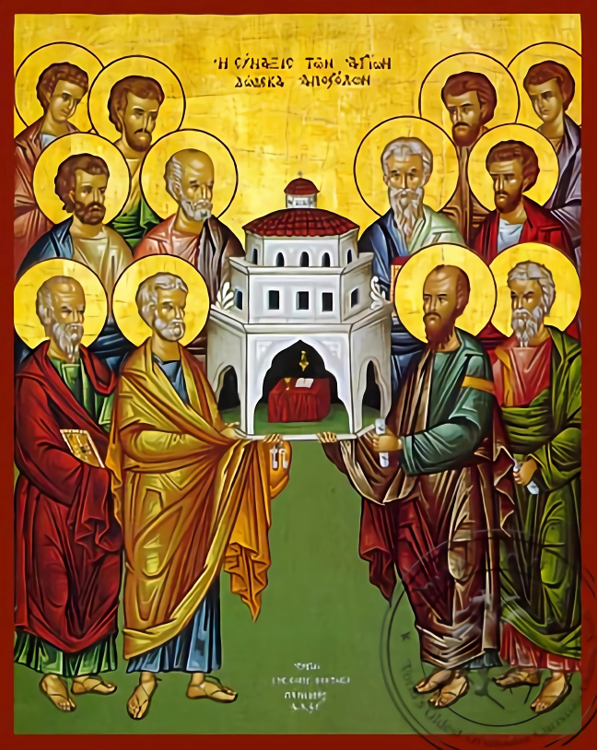
In a season marked by hope and devotion, the Church traditions observe the Apostles' Fast, which begins after Pentecost and continues until the Feast of Saints Peter and Paul on June 29 and the Commemoration of the Twelve Apostles on June 30.
But what is the significance of the Apostles' Fast? What spirituality does it embody? What meanings does it reflect?
Father Dr. Nicolas Bustros, President of the Saint Paul Institute for Philosophy and Theology in Harissa, Lebanon, Professor of Dogmatic Theology, and Associate Secretary General of the Middle East Council of Churches (MECC), answers these questions in a special interview with the MECC Media.
Firstly, Fr. Bustros clarifies that "fast in the life of the Church is always a fast of repentance, because people prepare themselves to receive an important event, thus preparing their soul and mindset for what is to come. This is why we have fasts preceding major Feasts, such as the Nativity Fast and the Fast preceding Easter, which we also call the Holy Great Lent."
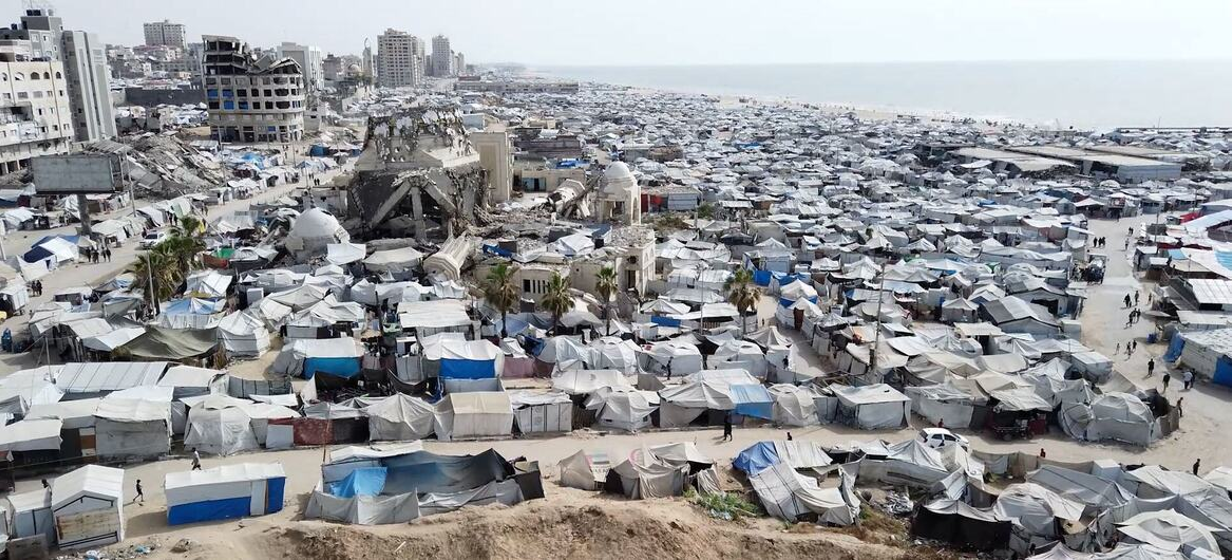
Palestine Observatory - Report: Friday 18 June 2026
مرصد فلسطين – تقرير الجمعة 18 حزيران/ يونيو 2026
In light of the worsening humanitarian and social conditions in the region due to the escalation of security operations, the Middle East Council of Churches presents a weekly report entitled "Palestine Monitor," which includes the latest developments in Palestine, especially amid the deteriorating living, social, and security conditions in the country. Some texts will be in Arabic, and some others in English, depending on the source.
في ظلّ تفاقم الظروف الإنسانيّة والاجتماعيّة في المنطقة جرّاء تصاعد العمليّات الأمنيّة فيها، يقدّم مجلس كنائس الشرق الأوسط تقريرًا أسبوعيًّا بعنوان "مرصد فلسطين" حيث يتضمّن آخر المستجدّات الّتي تشهدها فلسطين خصوصًا وسط تدهور الظروف المعيشيّة والاجتماعيّة والأمنيّة في البلاد. ستكون بعض النصوص باللغة العربية، وبعضها الآخر باللّغة الإنكليزيّة، وذلك حسب المصدر.
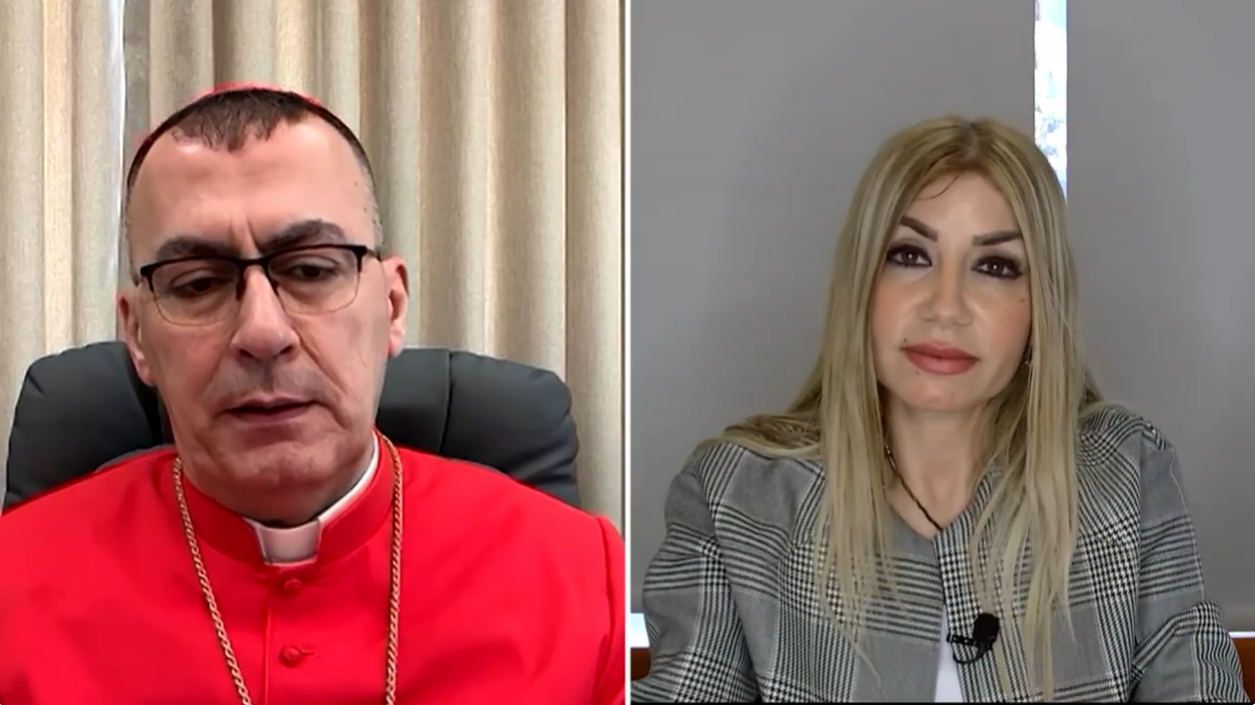
Video - Leaders and Positions
An Episode With His Beatitude Patriarch Mar Polis III Nona
Chaldean Patriarch in Iraq and the World
Produced By MECC
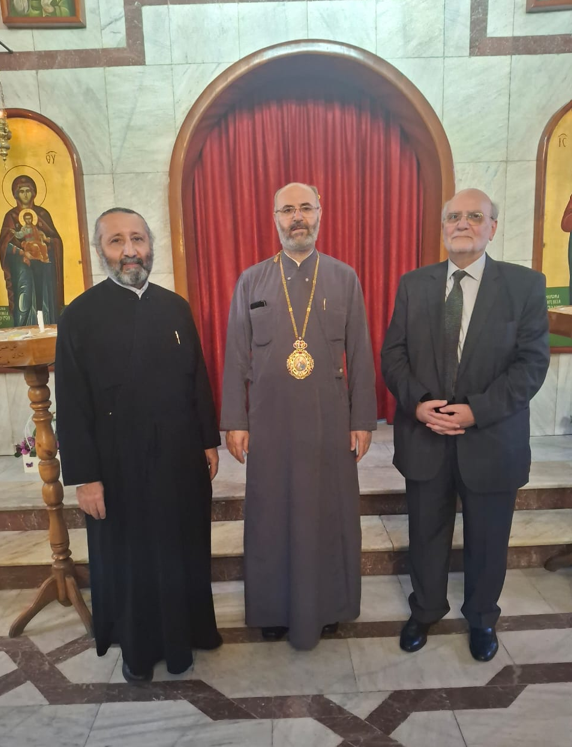
His Eminence Metropolitan Ghattas Hazim Receives the MECC Secretary General Professor Michel Abs in Baghdad
A Meeting Emphasizing the Importance of Strengthening the Ecumenical Work
As part of his visit to Baghdad to participate in the Enthronement Ceremony of His Beatitude Patriarch Mar Polis III Nona as Chaldean Patriarch in Iraq and the World, the Secretary General of the Middle East Council of Churches (MECC) Professor Michel Abs, visited His Eminence Metropolitan Ghattas Hazim, Greek Orthodox Metropolitan of Baghdad, Kuwait and Dependencies. The meeting took place at the Archdiocese and attended by Economos Younan Alfred, Vicar General of the Greek Orthodox Archdiocese in Iraq.
During the meeting, discussions centered around many Ecumenical topics, including the affairs of the Ecumenical movement and ways to strengthen its mission. Both sides stressed the importance of fostering the Ecumenical spirit among all Church Families and the various components of society.
As well as, both sides talked about the activities of the Church in Baghdad on the Theological and humanitarian levels. They highlighted the Church’s role in accompanying and supporting the neediest people amidst the worsening daily challenges.
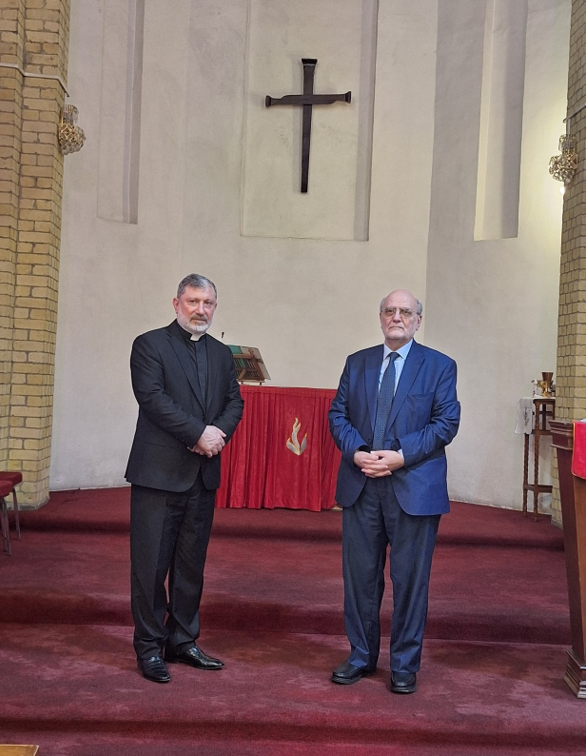
Canon Fayez Gerges Received the MECC Secretary General
Professor Michel Abs in Baghdad
Words Stressed the Need to Accompany the Neediest People
Canon Fayez Gerges, Member of the Executive Committee of the Middle East Council of Churches (MECC), received the MECC Secretary General Professor Michel Abs, at his office in Baghdad. Discussions focused on many of Ecumenical and humanitarian issues of concern to the Church and society.
This visit came as part of the tour of the Secretary General in Baghdad to participate in the Enthronement Ceremony of His Beatitude Patriarch Mar Polis III Nona as Chaldean Patriarch in Iraq and the World.
During the meeting with Canon Fayez Gerges, discussions revolved around matters related to the Middle East Council of Churches and recent developments of its work, in addition to the programs it is implementing for the benefit of the Church and humanity.
Both sides also explored ways to face the challenges surrounding the MECC work, emphasizing the importance of solidarity and building bridges among all components of society.
Video - "Ecumenical Horizons" Program: Episode 32
Produced by MECC
“Ecumenical Horizons” is a weekly program that features spiritual, cultural, intellectual, educational, youth and environmental topics.
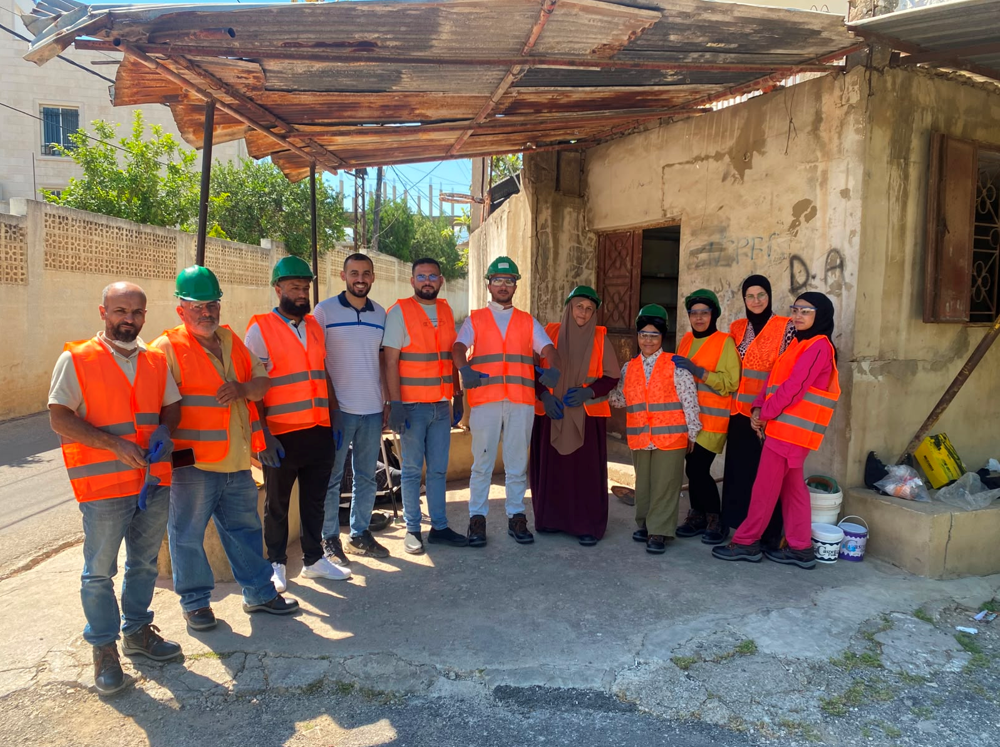
MECC Launches a Vocational Training
In Light Construction in Lebanon
In Partnership with the “Safadi” Foundation and supported by “Danmission” Organization
In Partnership with the “Safadi” Foundation and supported by “Danmission” Organization, the Diakonia and Social Service Department, Lebanon’s Office, launched a Vocational Training in Light Construction for 10 people over a period of one month in the Akkar area/ Deir Dalloum – Lebanon.
The aim of the project was to train people on how to carryout remodeling and renovations for small residential and commercial buildings. Learning such a skill is not only beneficial for finding a job but can also be used in carrying out repairs for their own homes thus reducing economic burdens.
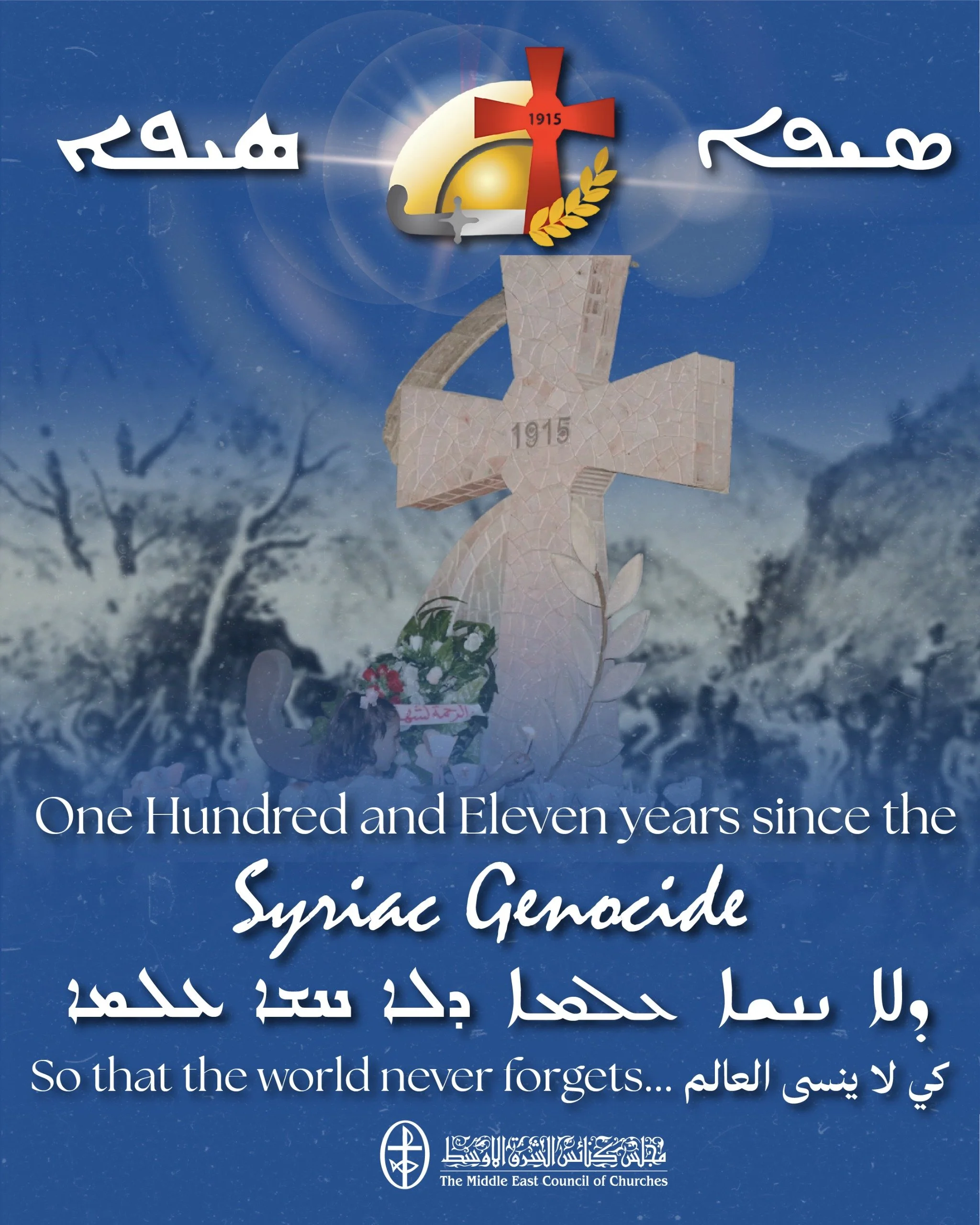
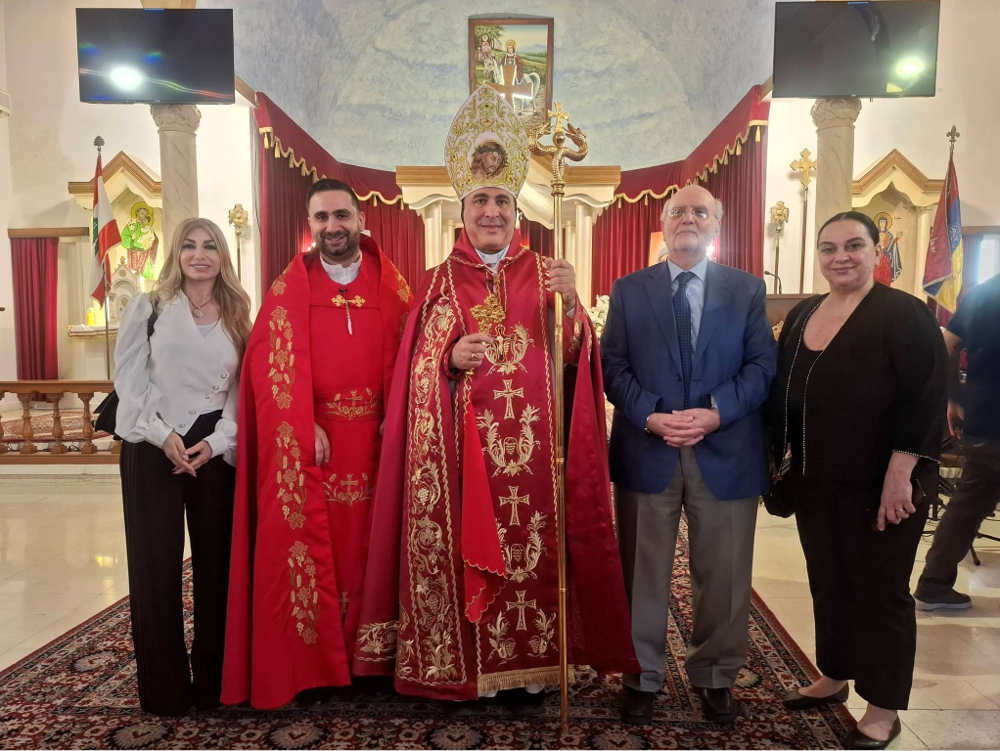
The MECC Secretary General Professor Michel Abs at the Head of a Delegation from the General Secretariat
Participates in the Annual Mass of the Association “Roots Never Die”
At the invitation of the Parish Priest of St. Behnam and Sarah Syriac Catholic Church and President of the Association “Roots Never Die,” Father David Melki, a delegation from the Middle East Council of Churches (MECC) participated in the Association’s Annual Mass, which included the Secretary General Professor Michel Abs, Professor Laure Abi Khalil and Journalist Lea Adel Maamary.
The Mass was held at St. Behnam and Sarah Syriac Catholic Church in Fanar. It was presided over by the Patriarchal Vicar of the Syriac Catholic Archdiocese of Beirut and the Head of the Episcopal Committee for Christian-Muslim Dialogue, Bishop Mar Matthias Charles Murad, with the participation of the Parish Priest Father David Melki and Deacons, in the presence of notable figures and faithful attendees.