

MECC

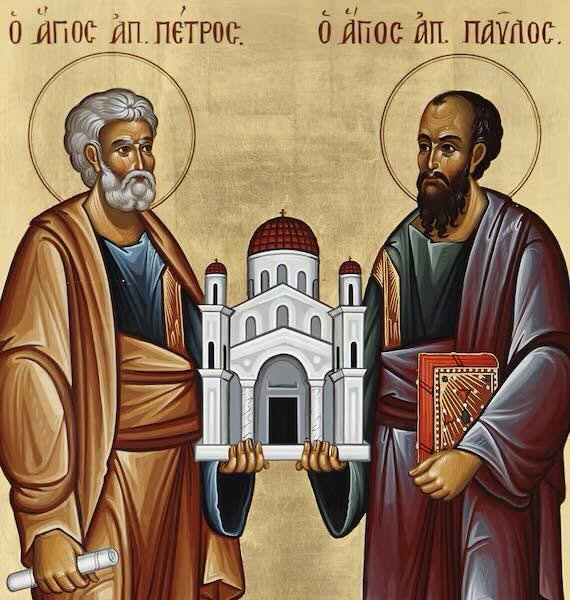
The Church Celebrates Its Founders Saints Peter and Paul
“… Upon this rock I will build my Church, and the gates of the netherworld shall not prevail against it”
(Matthew 16:18)
Media of the Middle East Council of Churches (MECC)
The Commemoration of Saints Peter and Paul is a special date in the history of the Church and the consolidation of Christianity over the decades. The Church celebrate their Commemoration on June 29, and believers ask for their intercession to Christ to grant peace to the world and mercy to our souls.
They are the Founders of the Antiochian See and they were given many titles: Leaders of the apostles, founders of the Church, first in line for the apostolate sees, and teachers of the world... Peter was the first to admit that Jesus is the Son of the living God according to the Gospel of Matthew 16:16. He then denied Christ three times and repented, so the Lord forgave him accordingly. Paul’s name was Saul. The Lord appeared to him on his way to Damascus, where he wanted to kill Christians... He took Paul's name after his baptism at the hands of Jesus to convert and preach the name of Jesus Christ throughout the world.
MECC Organizes a New Workshop Within the Trauma Healing and Spiritual Counseling Program in Jordan
Psychological and Spiritual Support Sessions Instill Renewed Hope
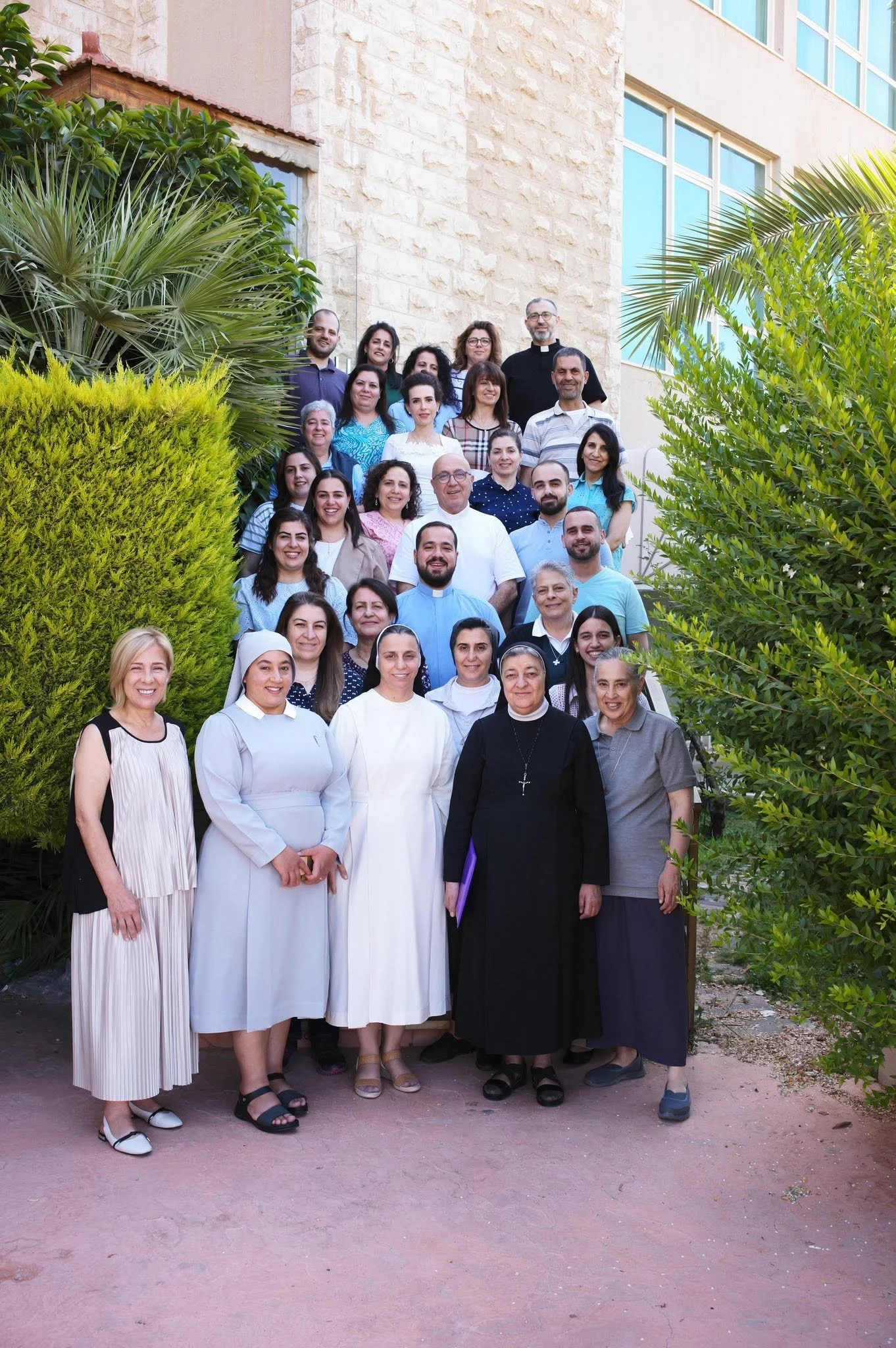
A Trauma Healing and Spiritual Counseling (THSC) workshop was held in Jordan, from June 20–26, 2026, bringing together 22 church ministers from Jordan and the Holy Lands for a meaningful week of healing, renewal, and personal growth.
The program was organized by the Theological and Ecumenical Department of the Middle East Council of Churches (MECC). Designed for ordained ministers, lay assistants, people who work at Church, social workers, and individuals working directly with traumatized communities, the workshop offered participants a valuable opportunity to rest, rejuvenate, and strengthen their capacity to accompany others on their healing journeys.
Supported by a team of spiritual counselors and psychologists, the workshop provided a holistic approach that integrated psychological care with spiritual accompaniment. Each day began with sports activities for those who wanted to do, followed by meditation, reflection, and Prayer, creating an atmosphere of peace and serenity before the start of the training sessions.
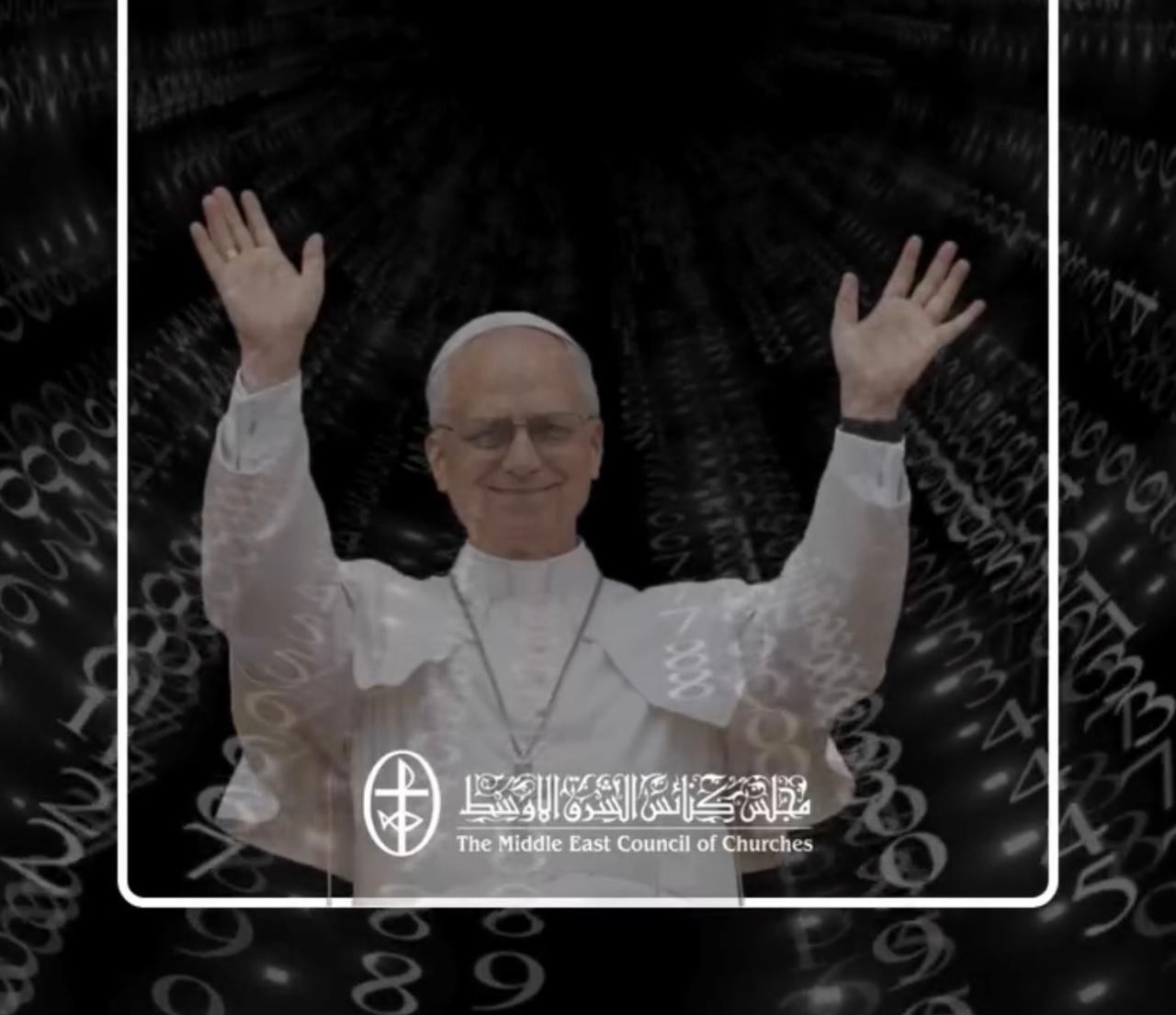
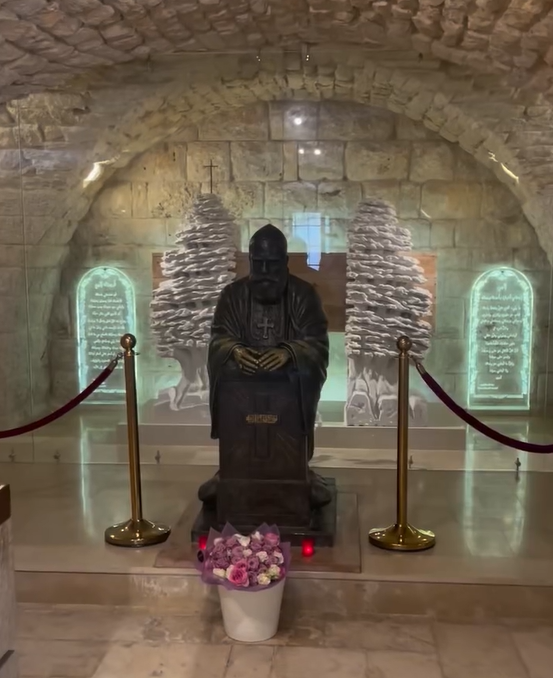
Video - The Holy Family Monastery in Abrine, Lebanon – Tomb of the Blessed Patriarch Elias Howayek
From the Holy Family Monastery in Abrine, Lebanon – Tomb of the Blessed Patriarch Elias Howayek – the Media of the Middle East Council of Churches (MECC) presents this video, which it filmed.
Hymn "Man of Providence" (Patriarch Elias Howayek), sung by Mounir Khalifeh.
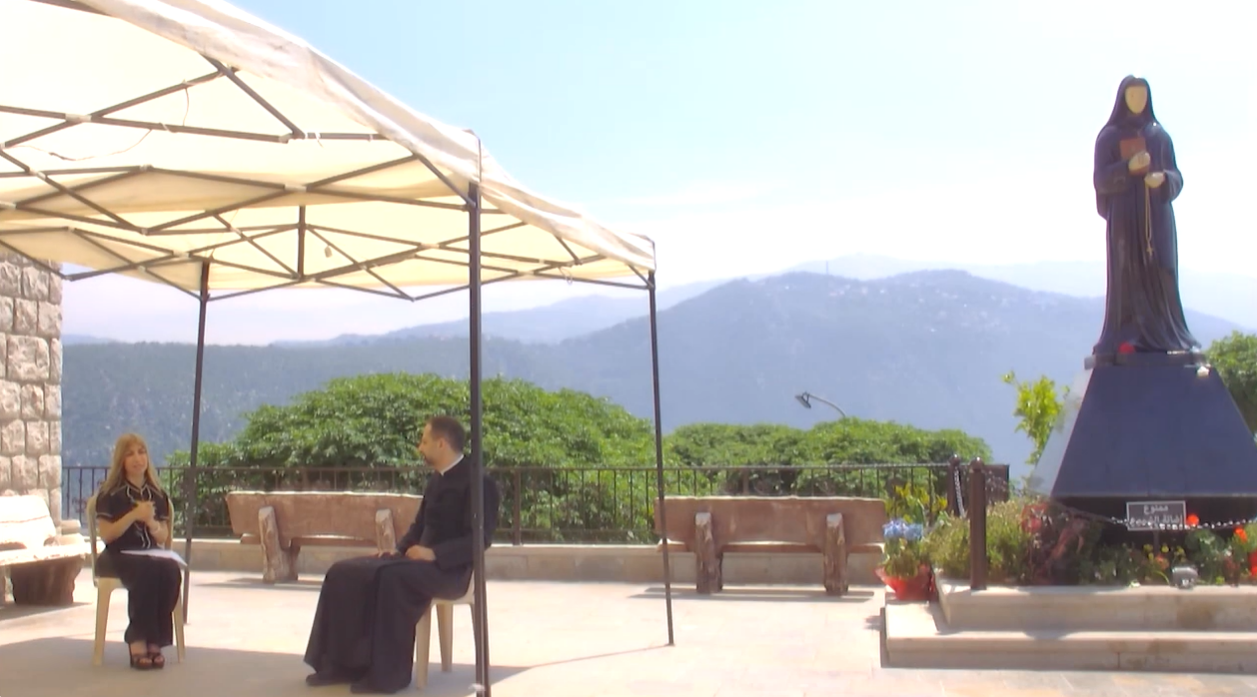
Video - "Ecumenical Horizons" Program: Episode 33
Land of Holiness 1 - Saint Rafqa Hemlaya, Lebanon
The Middle East Council of Churches Issues the “Season of Creation” 2026 Guide in Arabic
“Living Water”
Carrying the theme “Living Water” and the symbol “Immersion in Living Water,” inspired by Ezekiel 47:9 and 12, the Ecumenical Family in the Middle East and around the world unites to celebrate the “Season of Creation” 2026. This season constitutes an Ecumenical, Christian, and environmental station to contemplate and care for our common home, the Oikos of God.
Each year, the Season’s celebrations begin on September 1, the day that many Church Families celebrate as the World Day of Prayer for the Care of Creation, and others celebrate as the Feast of Creation. It ends on October 4, with the Feast of Saint Francis of Assisi, the Patron Saint of ecology.
In this context, the Middle East Council of Churches (MECC), which is a Member of the Season of Creation Ecumenical Steering Committee, issues the guide for the “Season of Creation” 2026 in Arabic, after the MECC Theological and Ecumenical Department translated into Arabic, as is customary annually.
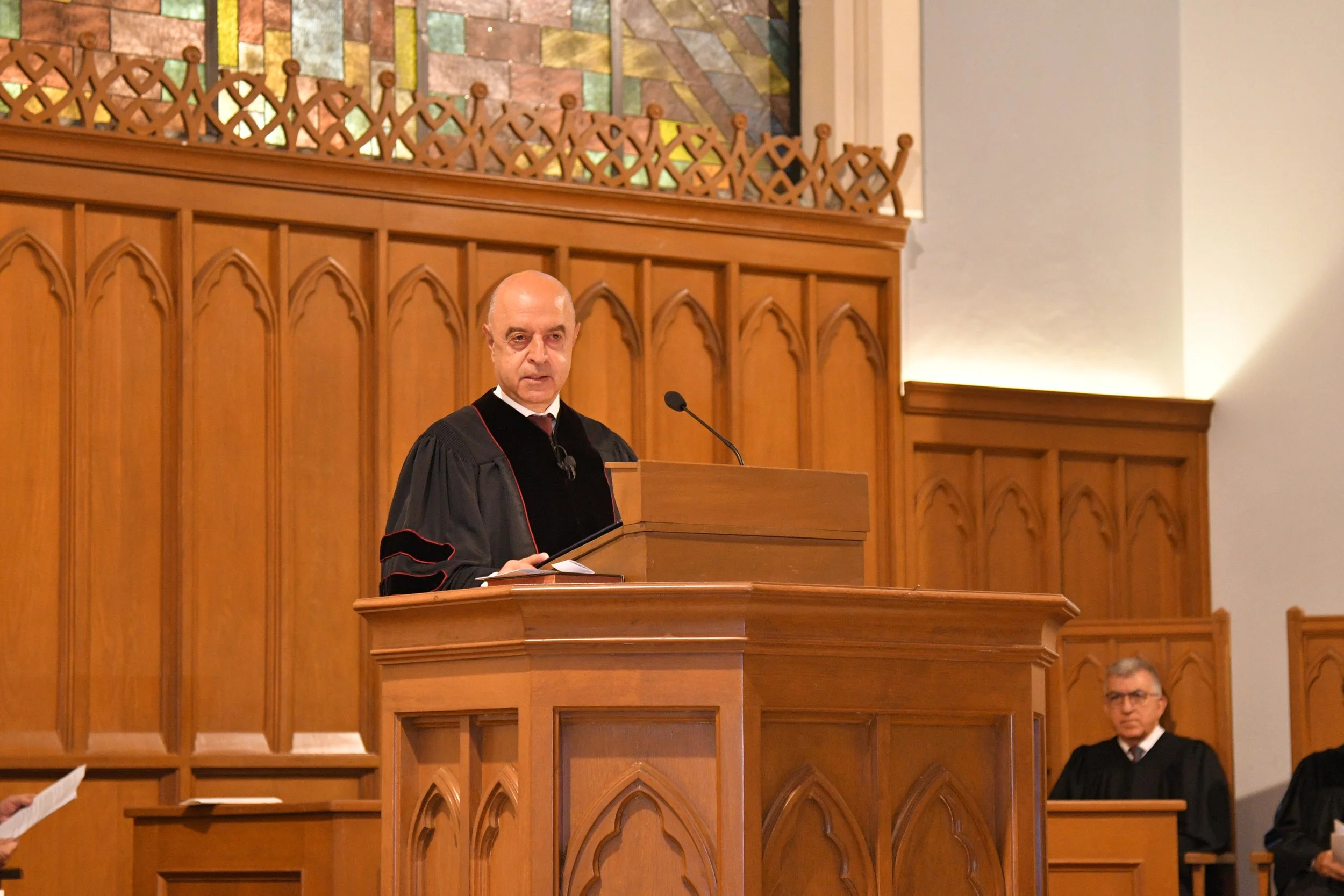
Sermon of Reverend Dr. Paul Haidostian at the UAECNE Celebration for the 180th Anniversary of the Armenian Evangelical Church’s Founding
“With Freedom of Conscience and Sincere Faith”
The Apostle Paul contrasts slavery and freedom. Slavery, which is sometimes described as servitude or bondage, is also a central theme in Galatians chapters 4–5.
When the obligation of the Old Testament Law, or any law, is used as the primary means of justification before God and humanity, it becomes a heavy yoke that keeps people in both inward and outward bondage. This was the issue surrounding circumcision that troubled the earliest Christians. What constituted Christian sufficiency: the written law, or something more?
The Apostle’s teaching was clear: if religion presents itself merely as a set of obligations defined by law, or as submission to forms and rituals, then faith is emptied of its spirit. Belief is reduced to a list of things to be performed.
In Christ, believers are no longer children under guardians and trustees, but sons and daughters of God through sincere faith in Christ (Gal. 4:1–7). This is why Apostle Paul declares, “Christ has set us free” (Gal. 5:1). This freedom is first and foremost liberation from the condemnation of sin, from the compulsion to earn salvation through good works, and from every human effort to seek righteousness apart from the grace of God.
Upon this foundation evangelical theology has emphasized the freedom of the Christian conscience…
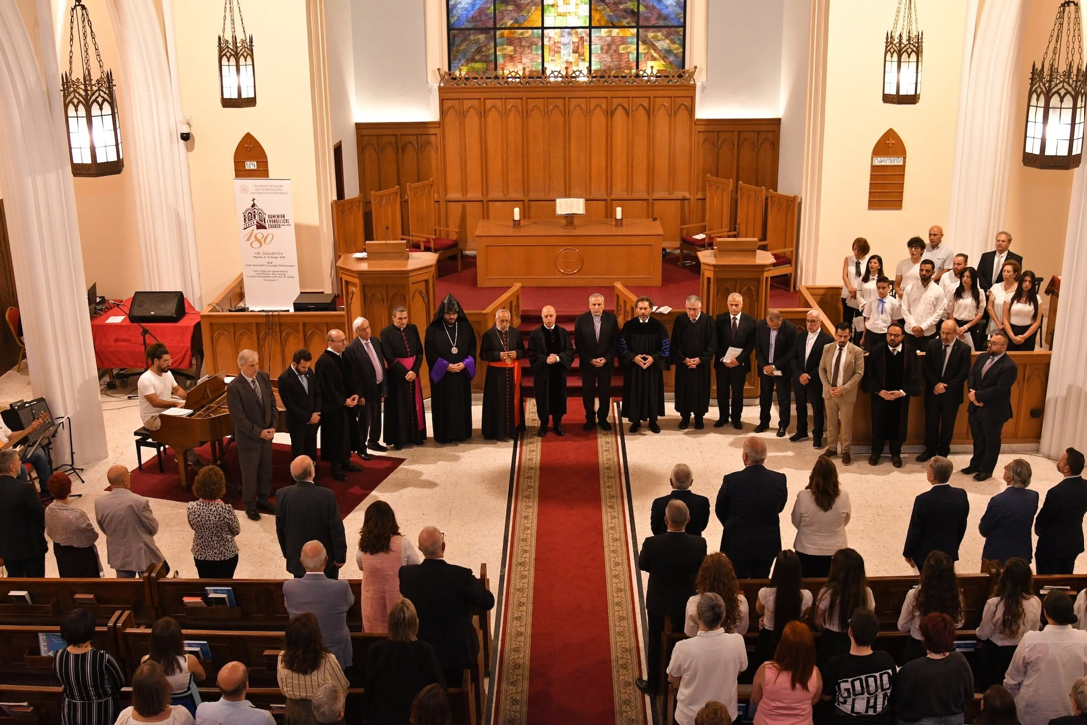
The UAECNE Celebrates the 180th Anniversary of the Armenian Evangelical Church’s Founding
MECC Participates in the Celebration
On the occasion of the 180th Anniversary of the founding of the Armenian Evangelical Church, the Union of the Armenian Evangelical Churches in the Near East (UAECNE) held a celebratory Worship Service under the theme “Freedom of Conscience and the Responsible Faith” (Galatians 5.1), on Sunday, June 21, 2026, at the First Armenian Evangelical Church in Beirut.
Attendees were His Beatitude Patriarch Raphaël Bedros XXI Minassian, Catholicos Patriarch of the Armenian Catholic Church of Cilicia, and President of the Middle East Council of Churches (MECC) for the Catholic Family; the Representative of His Holiness Catholicos Aram I, Catholicos of the Armenian Church, Holy See of Cilicia, and Honorary President of the Middle East Council of Churches; the Representative of His Eminence Archbishop Hosam Naoum, Anglican Archbishop in Jerusalem and Presiding Bishop of the Episcopal Church in Jerusalem and the Middle East, and Member of the Executive Committee of the Middle East Council of Churches; and the Secretary General of the Middle East Council of Churches Professor Michel Abs.
The celebration brought also together Representatives of various Church Families, as well as official, Religious, cultural, intellectual, and social figures.
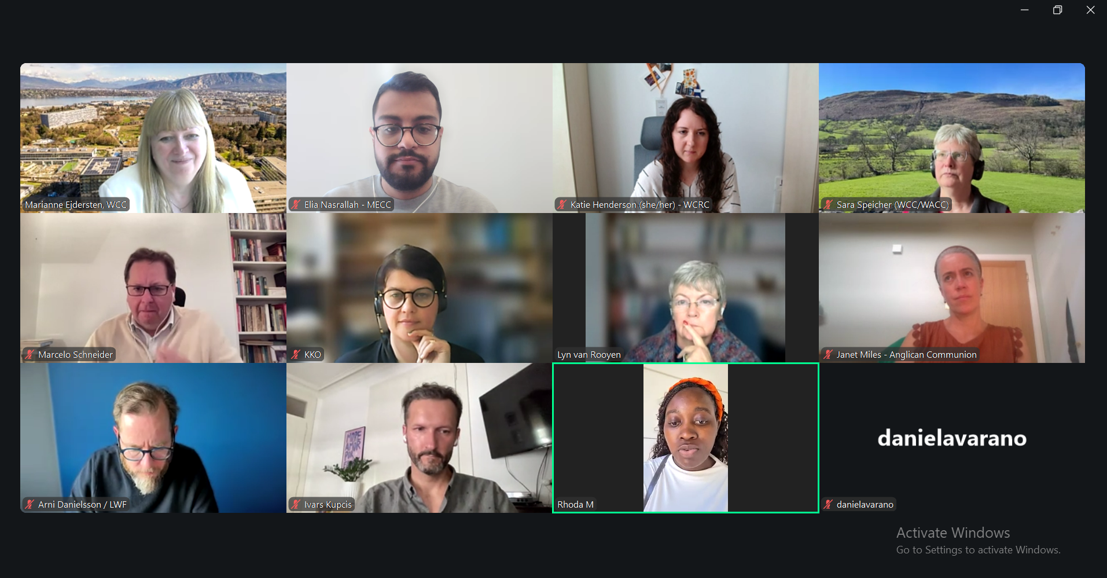
Global Ecumenical and Media Online Meeting at the Invitation of WCC and with the Participation of MECC
Together Towards Strengthening the Ecumenical Spirit and the Media Mission!
At the invitation of the Communication Department of the World Council of Churches (WCC), an online Ecumenical meeting was held on Monday, June 22, bringing together communication and media colleagues from various global Ecumenical organizations, with the participation of the Communication and Public Relations Department of the Middle East Council of Churches (MECC).
Discussions centered around the most prominent current Ecumenical and media-related issues and topics. Participants provided updates on their work and activities, each according to their respective programs. They also shared their concerns and aspirations regarding both the Ecumenical and media spheres in the coming period.
The gathering served as a platform for exchanging expertise and perspectives, as well as strengthening cooperation among Ecumenical Church and humanitarian organizations, with the aim of developing a shared media mission.
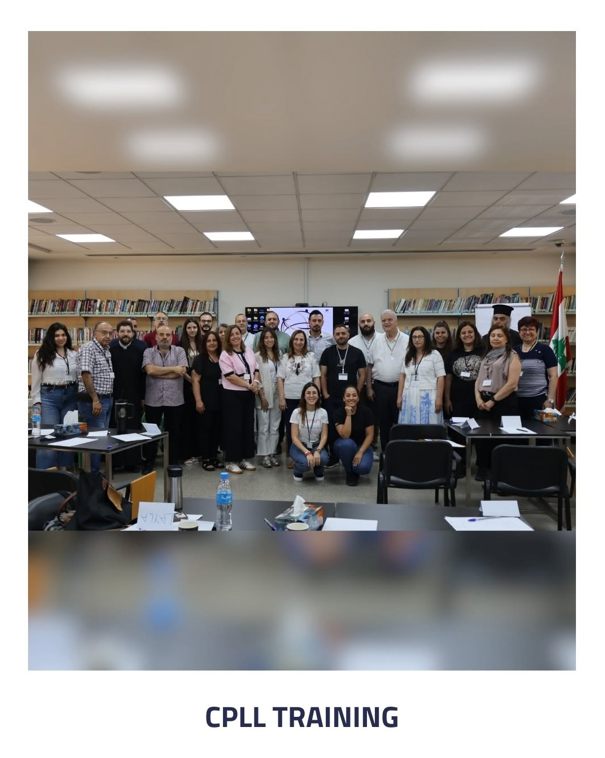
MECC Participates in a Training Workshop on Time Management and the Four Management Personalities Organized by the Bible Society in Lebanon
As part of its efforts to develop capacities and enhance skills, colleagues from the Middle East Council of Churches (MECC) participated in a training workshop entitled “Time Management and the Four Management Personalities”, led by the trainer Mr. Samir Costantine, Director and Founder of “Wazanat”. The workshop was organized by the Christian Publisher League (CPLL) at the Bible Society in Lebanon, on Friday, June 19, 2026, at the Society’s headquarters in Beirut.
This workshop was the eighth session in the training series “Effective Christian Publishing and Its Methods,” which brings together representatives from various organizations and publishing houses with the aim of enhancing professional competence and developing the skills of those working in the field of Christian publishing.
The Middle East Council of Churches (MECC) Issues Its Weekly Newsletter
“Momentum”
19-6-2026
This issue includes reports, videos, news, articles, and a full coverage of the latest developments of the Middle East Council of Churches (MECC), as well as the Church, Ecumenical, and social events…
This is in addition to the weekly word of the MECC Secretary General Professor Michel Abs which is entitled in this issue “Sayfo, Justice, and Memory, From the Perspective of the Middle East Council of Churches”.
You can check the issue via the following link: https://mailchi.mp/06af911a306d/momentum-mecc-weekly-newsletter.
You can also subscribe to the Momentum Newsletter via the following link:
https://mecc.us14.list-manage.com/subscribe?id=fd3381352a&u=1db32cafe9ea32b38eb90480a.
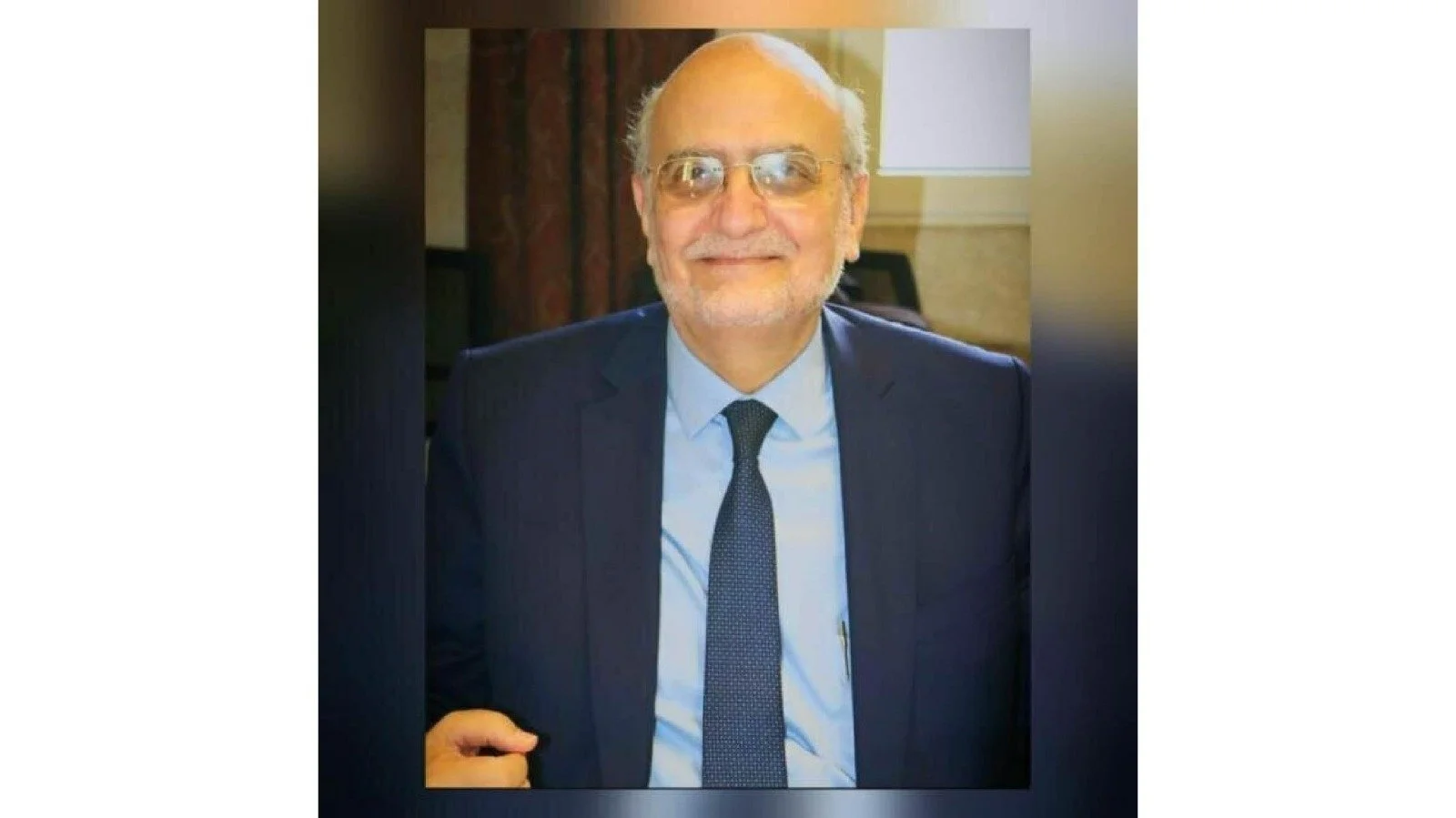
Sayfo, Justice, and Memory
From the Perspective of the Middle East Council of Churches
Professor Michel Abs
The Secretary General of the Middle East Council of Churches (MECC)
The Middle East Council of Churches views the Sayfo massacres as a profound wound in the memory of the churches of the East. It is not a tragedy that concerns only one community, but one that touches the Christian and human conscience of this region. Syriacs, Assyrians, and Chaldeans have carried in their collective memory the pain of the sword, displacement, and uprooting. Yet this suffering transcends ecclesial and ethnic boundaries, for it strikes at the very heart of human dignity.
For this reason, we do not regard Sayfo as a closed chapter of history, but as a living memory that invites us to reflect on the meaning of the Christian presence in the East, on the meaning of justice, and on the responsibility of the churches toward truth. Preserving this memory does not mean remaining prisoners of the past; rather, it means protecting humanity from the repetition of such tragedies and transforming suffering into witness, and witness into a moral and ecclesial commitment.
Memory, if it remains only a source of pain, can become silent sorrow or a closed wound. Yet when it becomes a testimony, it turns into a spiritual and moral force that safeguards truth and resists oblivion. Therefore, it is the duty of the churches to transmit the memory of Sayfo to younger generations, not as a call to fear or isolation, but as an invitation to steadfastness, hope, and responsibility.
The Christian presence in the East is preserved not only through buildings and institutions, but also through memory, language, witness, and the ability to transform suffering into a commitment to life. Sayfo reminds us that the Church that suffered endured, and that the communities subjected to massacre and displacement continue to bear witness to their faith, culture, and mission in this region…
On the Occasions of the 25th Jubilee of the Canonization of Saint Rafqa, and the Beatification of Patriarch Elias Howayek
A Spiritual Retreat for the MECC General Secretariat Team
From Jrebta to Kfifan and Aabrin
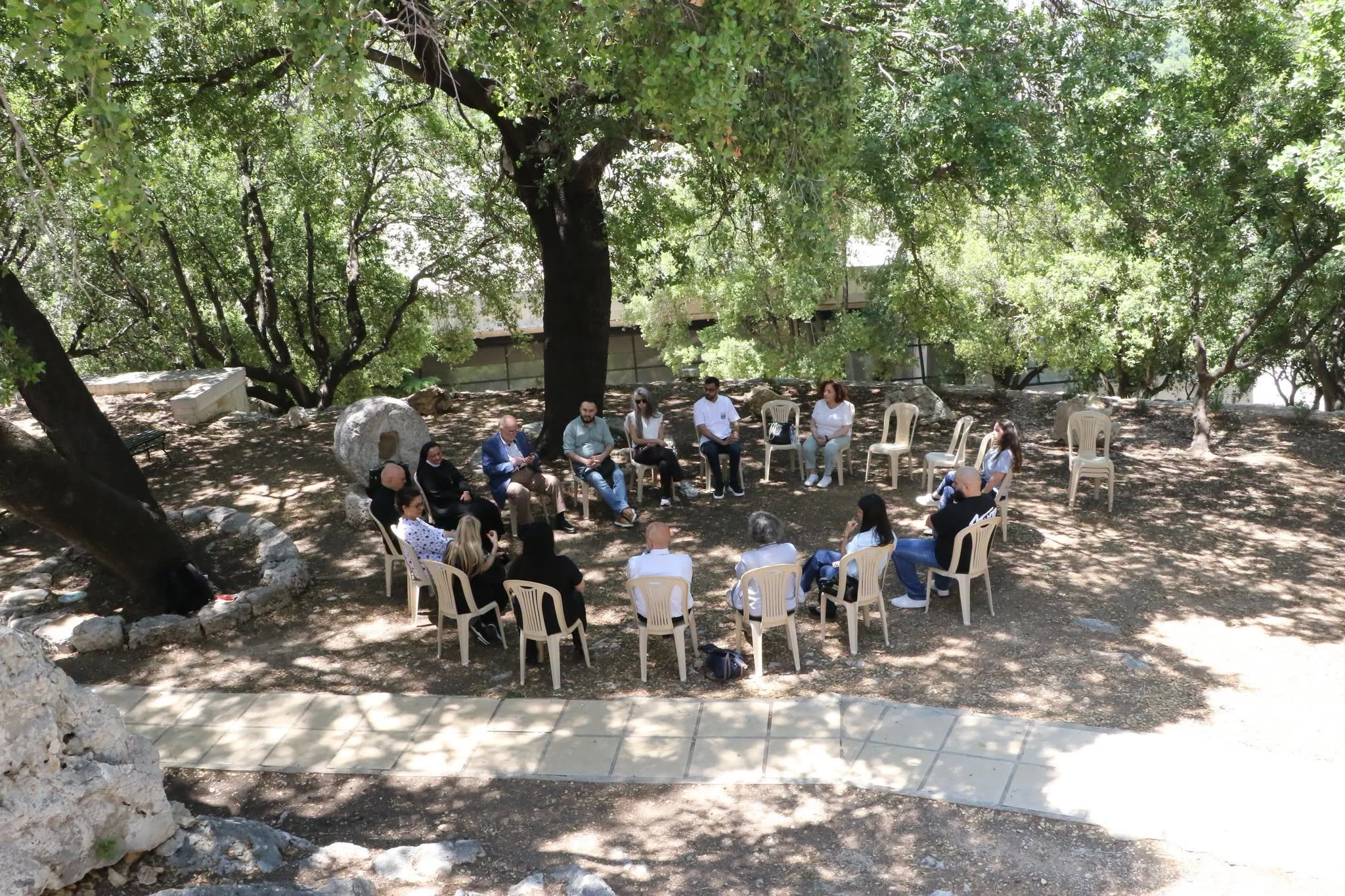
The family of the General Secretariat of the Middle East Council of Churches (MECC) experienced a spiritual and cultural day in the Lebanese villages of Jrebta, Kfifan and Aabrin. The day was marked by a Spiritual Retreat organized by the MECC Theological and Ecumenical Department for the General Secretariat team, on Wednesday, June 17, 2026, on the occasions of the 25th Jubilee of the Canonization of Saint Rafqa, and the Beatification of Patriarch Elias Howayek.
The Retreat began at Saint Joseph Monastery in Jrebta, at the Tomb of Saint Rafqa, where Sister Marta Bassil welcomed the participants and guided them on a tour of the Monastery, presenting an overview of its history, as well as its spiritual and Ecclesial mission.
Then, a spiritual reflection and discussion with Mother Dolly Chaaya, Superior General of the Lebanese Maronite Order of Nuns, was made under the title “A Path of Holiness in a Wounded East.” In her presentation, she reflected on the meanings of witness, hope, and holiness amidst the challenges that the East is facing today. Her talk was followed by a discussion and exchange of ideas with the participants.
The Path of Holiness in a Wounded East
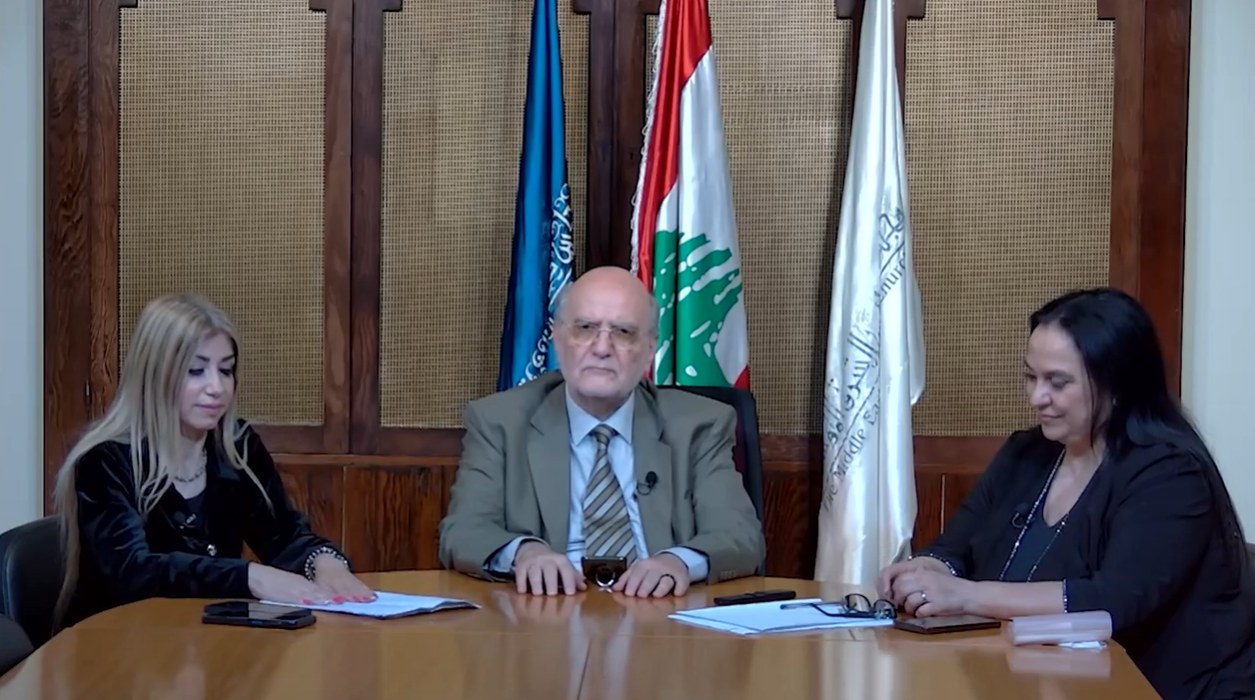
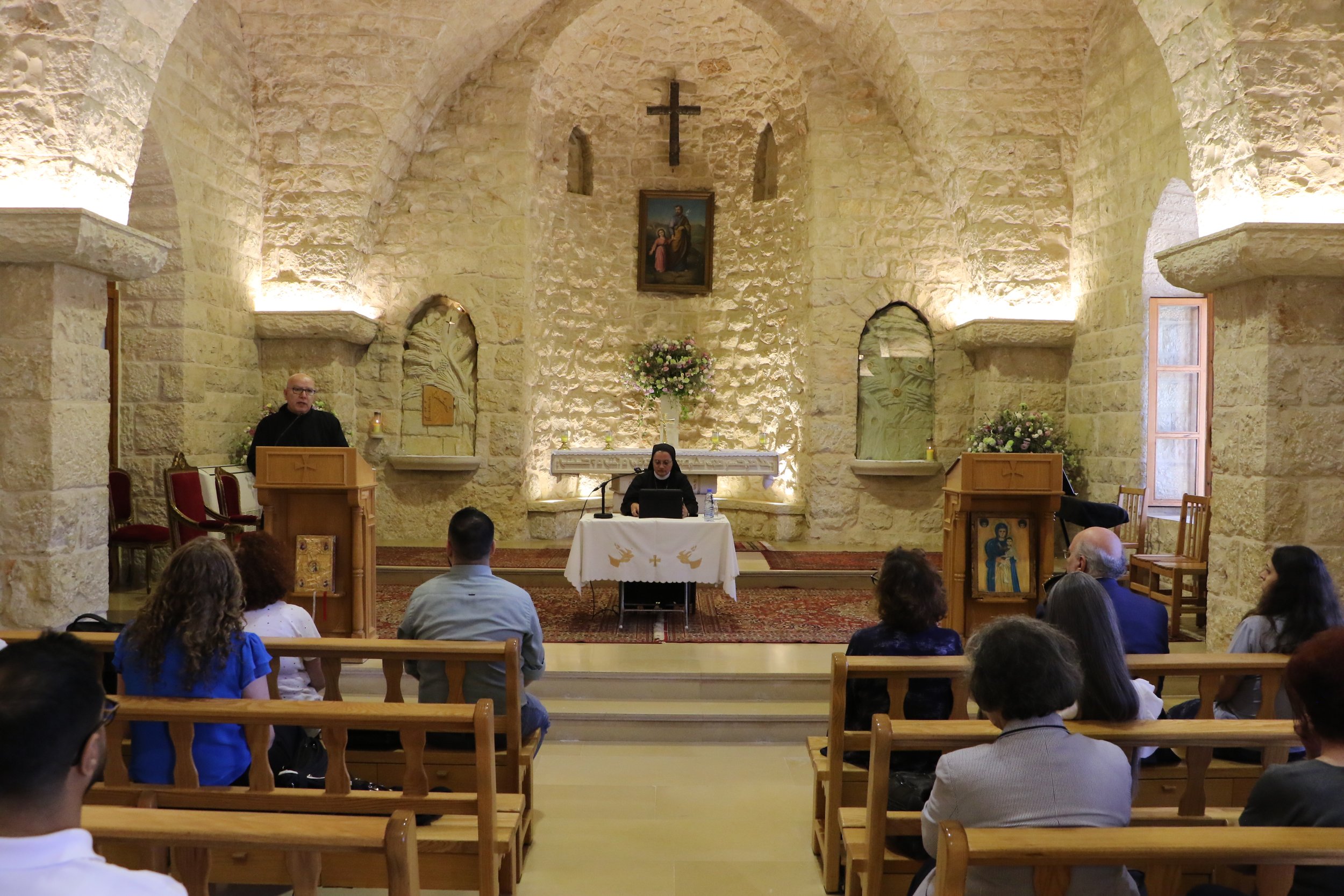
Mother Dolly Chaaya, Superior General of the Lebanese Maronite Order of Nuns, During a Spiritual Retreat for the MECC General Secretariat Team:
A Wound Transformed into Hope and Resurrection
During a spiritual and intellectual gathering with the General Secretariat team of the Middle East Council of Churches (MECC) on Wednesday, June 17, 2026, at Saint Joseph Monastery in Jrebta, Tomb of Saint Rafqa, Mother Dolly Chaya, Superior General of the Lebanese Maronite Order of Nuns, delivered a reflection entitled “The Path of Holiness in a Wounded East.”
Drawing from the life of Saint Rafqa and the wounds of the contemporary Middle East, Mother Dolly explored the meaning of holiness in everyday life. She emphasized that holiness is neither a distant ideal nor an image preserved in memory, but rather a daily path lived in the heart of suffering, in the face of fear, and in the continual search for hope.
Her reflection came at a time when many people in the region feel deprived of security and burdened by fear, migration, displacement, and wounded belonging. Yet Mother Dolly urged not to view this reality solely through the lens of defeat, but through the lens of faith, which sees that a wound, when touched by the Mystery of the Risen Christ, no longer remains a sign of death but can become a testimony of love and hope.